In Key Stage 2 English, your child will learn about homophones, homonyms and homographs. These words all sound very similar, but their meanings are quite different! If you're looking to support your child's learning or help them prepare for English tests, this guide will help you to:
- Understand the difference between homophones, homonyms and homographs
- Find out which words your child should know by the end of Key Stage 2
- Get tips to help your child master homophones
What's the difference between homophones, homonyms and homographs?
Homophones
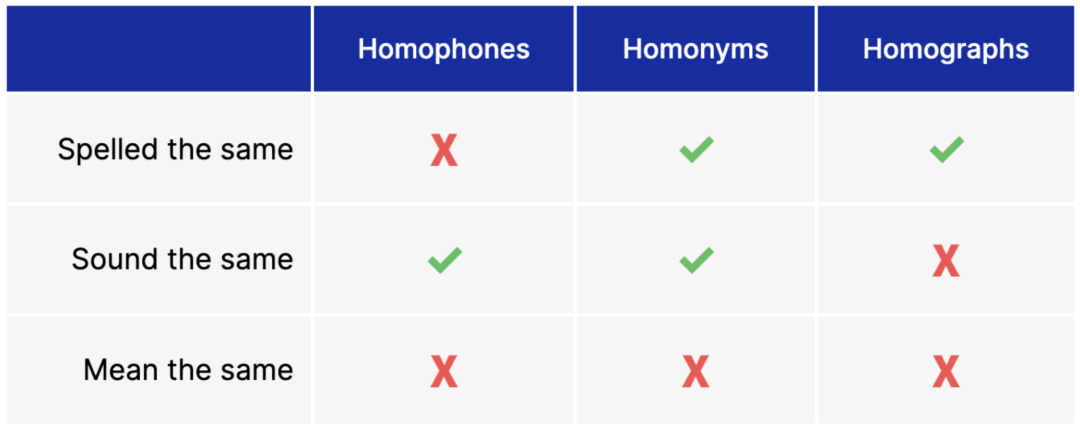
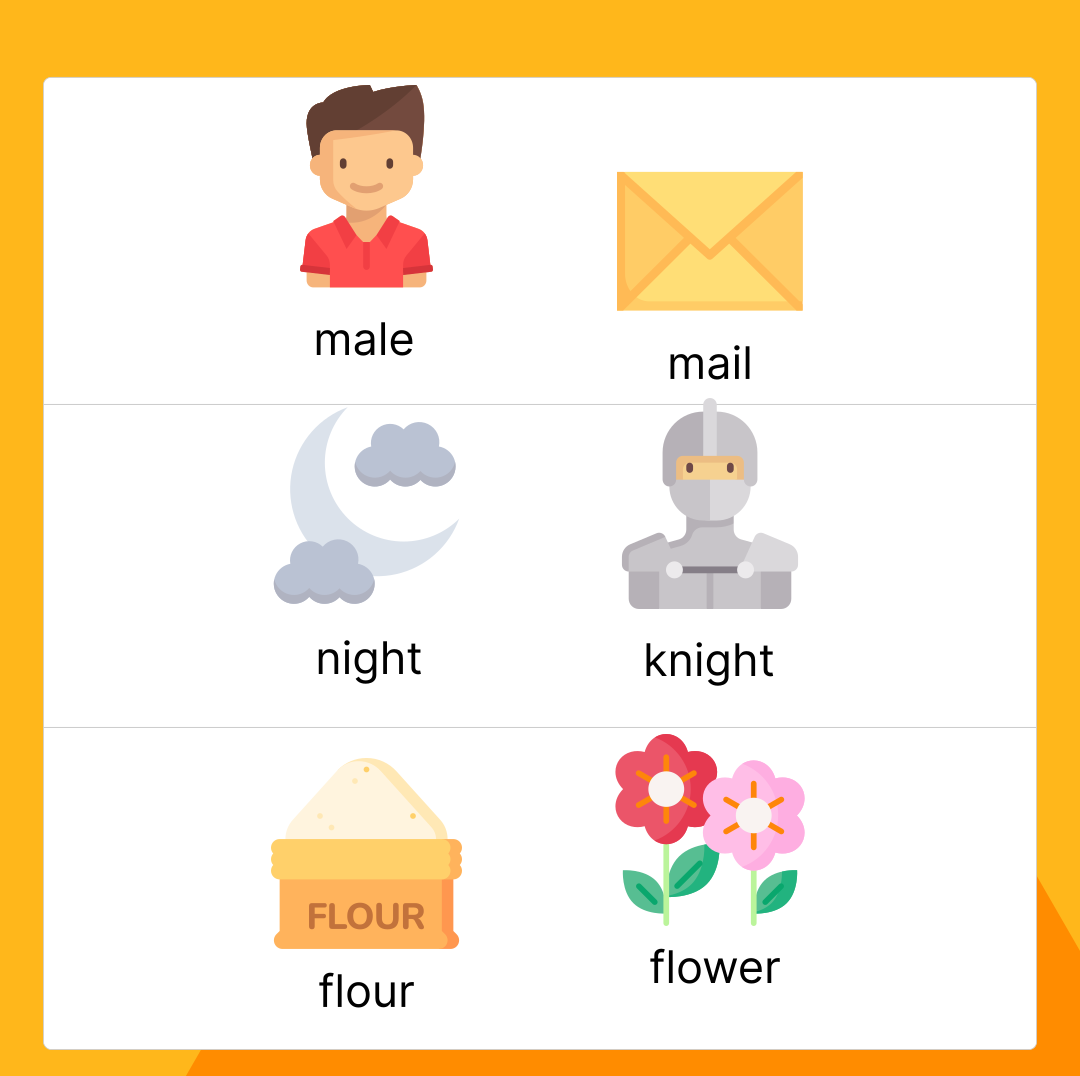
Homophones are two or more words that sound the same, but have different spellings and different meanings.
For example, 'boy' and 'buoy' sound the same. However, they have different spellings and while 'boy' is the noun for a male child, 'buoy' is the noun for an anchored float.
The word homophone itself comes from two Greek words – homo (which means 'same') and phone (meaning 'sound'). This means the translation of 'homophone' is literally 'same sound'!
Homonyms
Homonyms are pairs or groups of words that sound the same and are spelt the same, but have different meanings.
For example, the word 'change' has three different meanings – but in all three cases, it is spelt the same and sounds the same. 'Change' could mean:
- Small amounts of money
- The process of becoming something different
- The exchange of one thing for another
Homographs
Homographs are two or more words that are spelt the same, but are pronounced differently and have different meanings.
For example, the word 'tear' has three different meanings. It's consistently spelt the same, but the pronunciation varies depending on how the word is being used:
- Drops produced by crying (pronounced using two syllables)
- A rip in something (pronounced as one syllable)
- To pull something apart (pronounced as one syllable)