Back to blog

Key Stage 2 English: homophones

By
Atom
|
November 27, 2025

In Key Stage 2 English, your child will learn about homophones, homonyms and homographs. These words all sound very similar, but their meanings are quite different! If you're looking to support your child's learning or help them prepare for English tests, this guide will help you to:

  • Understand the difference between homophones, homonyms and homographs
  • Find out which words your child should know by the end of Key Stage 2
  • Get tips to help your child master homophones

What's the difference between homophones, homonyms and homographs?

Homophones

Homophones are two or more words that sound the same, but have different spellings and different meanings.

For example, 'boy' and 'buoy' sound the same. However, they have different spellings and while 'boy' is the noun for a male child, 'buoy' is the noun for an anchored float.

The word homophone itself comes from two Greek words – homo (which means 'same') and phone (meaning 'sound'). This means the translation of 'homophone' is literally 'same sound'!

Homonyms

Homonyms are pairs or groups of words that sound the same and are spelt the same, but have different meanings.

For example, the word 'change' has three different meanings – but in all three cases, it is spelt the same and sounds the same. 'Change' could mean:

  1. Small amounts of money
  2. The process of becoming something different
  3. The exchange of one thing for another

Homographs

Homographs are two or more words that are spelt the same, but are pronounced differently and have different meanings.

For example, the word 'tear' has three different meanings. It's consistently spelt the same, but the pronunciation varies depending on how the word is being used:

  • Drops produced by crying (pronounced using two syllables)
  • A rip in something (pronounced as one syllable)
  • To pull something apart (pronounced as one syllable)
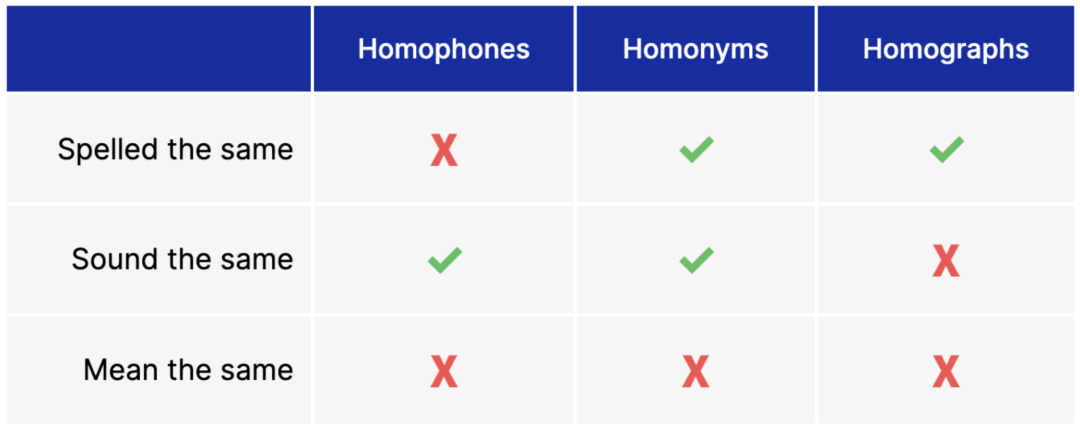
The difference between homophones, homonyms and homographs

Download free Key Stage 2 reading lists

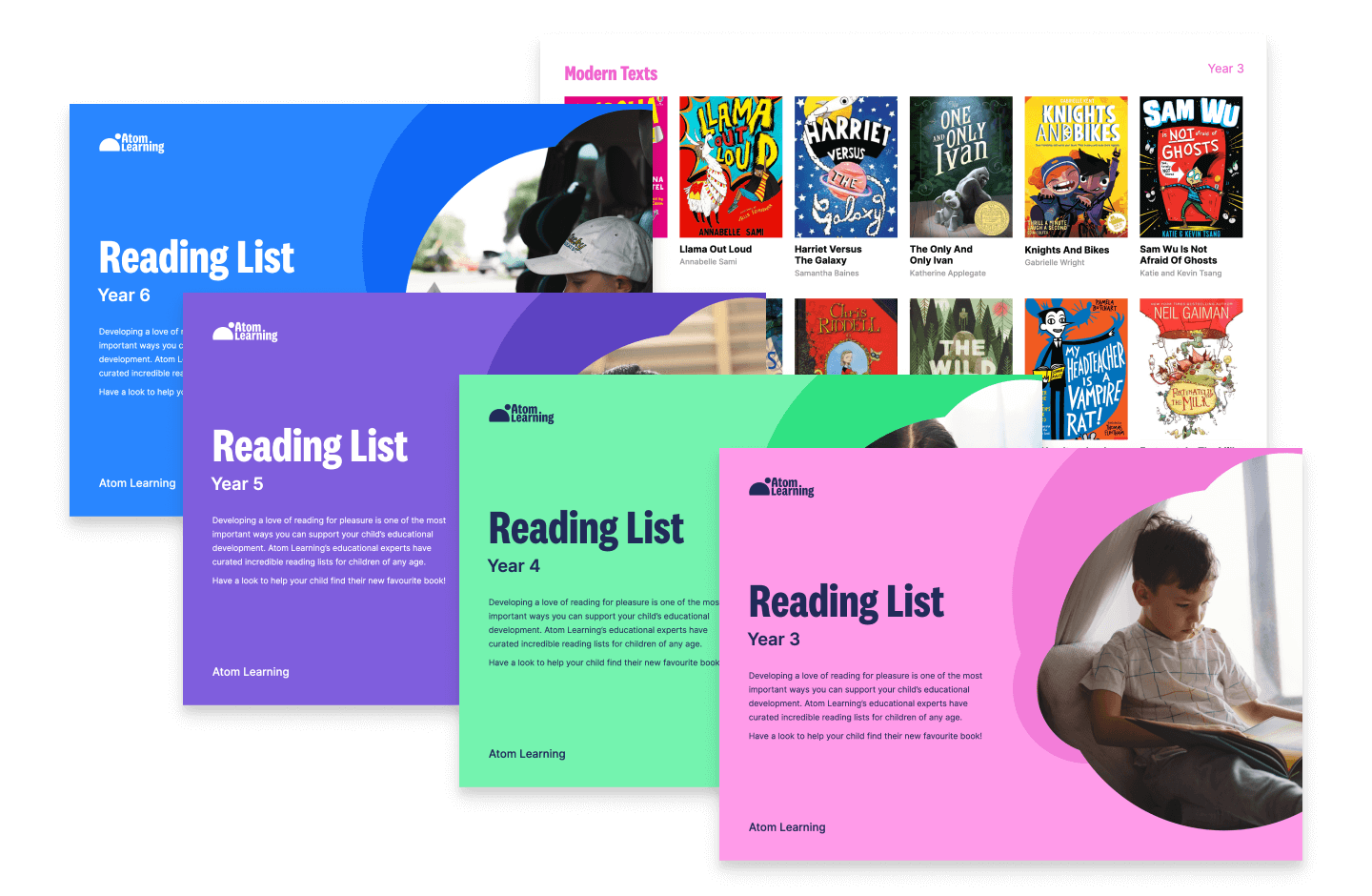
Find your child’s next great read. Atom’s free KS2 reading lists include carefully chosen books to help children aged 7–11 build comprehension, expand vocabulary and develop a genuine love of reading. Perfect for reading at home or alongside school learning.

Send me the lists

What homophones should my child know?

Here are some examples of the words your child will learn on the Key Stage 2 English national curriculum. Your child may be tested on some of these words in spelling tests, both in the classroom and in the Year 6 SATs English exam.

Years 3 & 4

  • accept/except
  • affect/effect
  • ball/bawl
  • berry/bury
  • brake/break
  • fair/fare
  • grate/great
  • groan/grown
  • here/hear
  • heel/heal/he'll
  • knot/not
  • mail/male
  • main/mane
  • meat/meet
  • medal/meddle
  • missed/mist
  • peace/piece
  • plain/plane
  • rain/rein/reign
  • scene/seen
  • weather/whether
  • whose/who's

Years 5 & 6

  • advice/advise
  • device/devise
  • father/farther
  • guessed/guest
  • heard/herd
  • led/lead
  • license/licence
  • morning/mourning
  • past/passed
  • practice/practise
  • precede/proceed
  • principal/principle
  • profit/prophet
  • prophecy/prophesy
  • stationary/stationery
  • steal/steel
  • wary/weary
No items found.

How to improve your child's understanding of homophones

Read together

Reading is a great way to expose your child to new words, helping them to expand their vocabulary while improving their spelling.

As you read together, pause and ask your child to identify any homophones present in the text and discuss their meaning together. This will help your child recognise and understand how different homophones are used in context.

Make learning visual

Using visual aids such as pictures or drawings can help your child associate different homophones with their respective meanings. Incorporating different multimedia in your child's learning is a great way to enhance their understanding and memory retention.

Try using flashcards or online resources that display the words and their corresponding visuals to reinforce understanding.

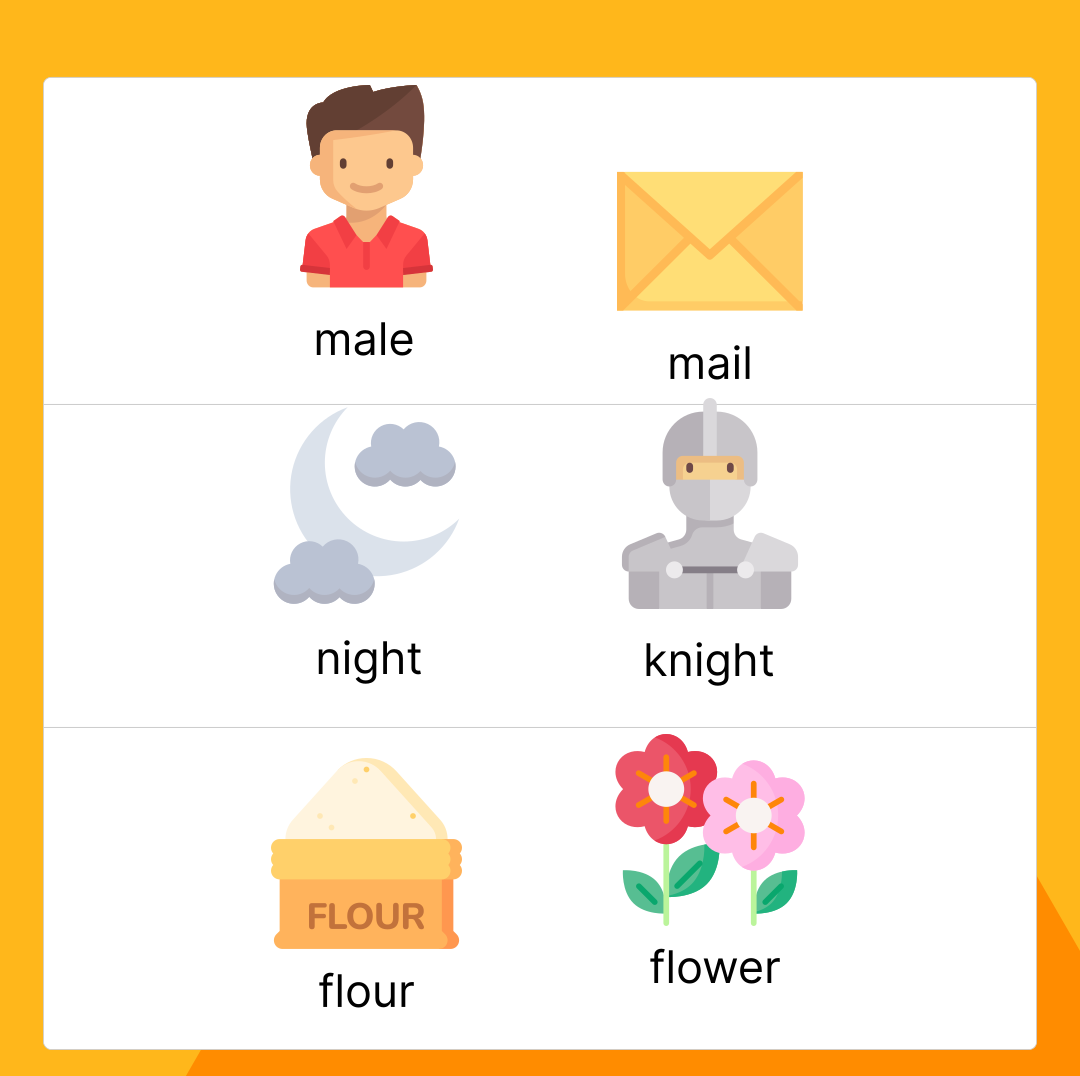
Homophones visuals: male/mail, night/knight, flour/flower

Play word games and puzzles

Hands-on activities, such as games and puzzles, are a great way to make learning more enjoyable. Play puzzles such as crosswords and word searches to encourage your child to identify and start using homophones.

Take a look at some of our favourite educational board games.

Songs and rhymes

Play or sing songs and rhymes to your child that specifically include homophones. This can be a fun and engaging way to reinforce their learning.

Why not also encourage your child to create their own rhymes using homophones?

No items found.
No items found.
No items found.

Build strong English, maths and science skills.

Want to support what your child is learning at school, or help them stretch beyond it? Atom gives them the right blend of challenge and support. Help them strengthen foundations, deepen understanding, and grow confident in the subjects that matter most for Key Stage 2 and beyond. 

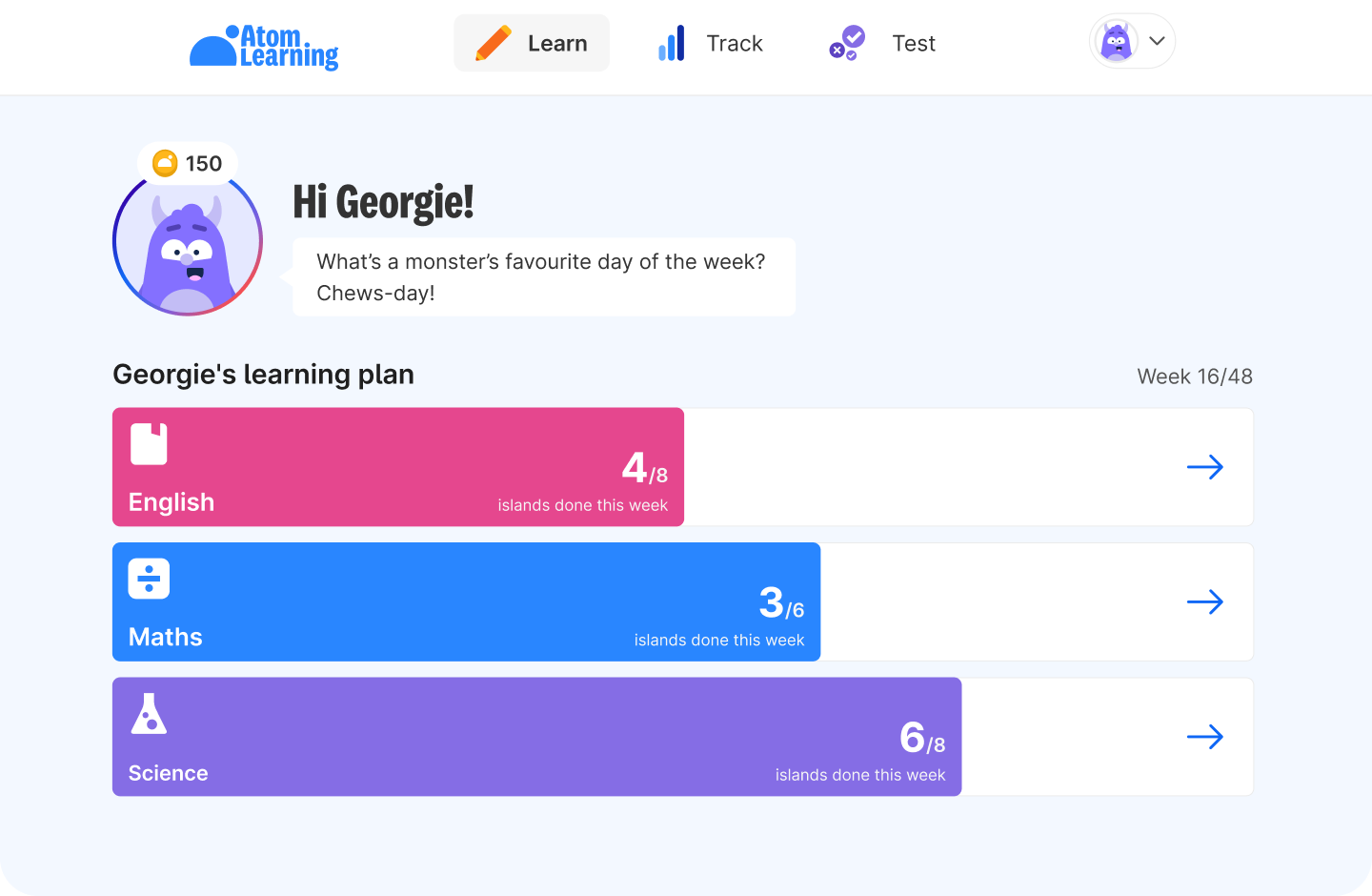
  • Follow personalised weekly learning plans that adapt to your child’s level and keep them progressing in English, maths and science. 
  • Learn through interactive lessons that stretch their thinking and reinforce key skills. 
  • Track progress topic by topic. See their strengths and pinpoint where they need to improve. 
Strengthen foundations and build confidence.

Start your free trial and help your child make real school progress today.

Try Atom for free