In this series of free webinars, Atom’s Education Experts outline the areas of each 11 plus subject that our students struggle with the most, and share tips and techniques on how to prepare. Watch here, or keep reading for an overview:
The 11 plus maths curriculum
The 11 plus maths exam curriculum is mapped to the Key Stage 2 national curriculum. CEM and GL Assessments grammar school exams cover both Year 5 and Year 6 maths topics, whereas ISEB focuses on Year 5 topics.
Curriculum overview:
Data
- Statistics: mode, median, range and mean
- Graphs: bar charts, pie charts, line graphs, scatter graphs, averages from graphs, tables, pictograms, venn diagrams
- Probability: basic probability, compound probability
Number
- Place value: order and compare, Roman numerals, rounding numbers, negative numbers
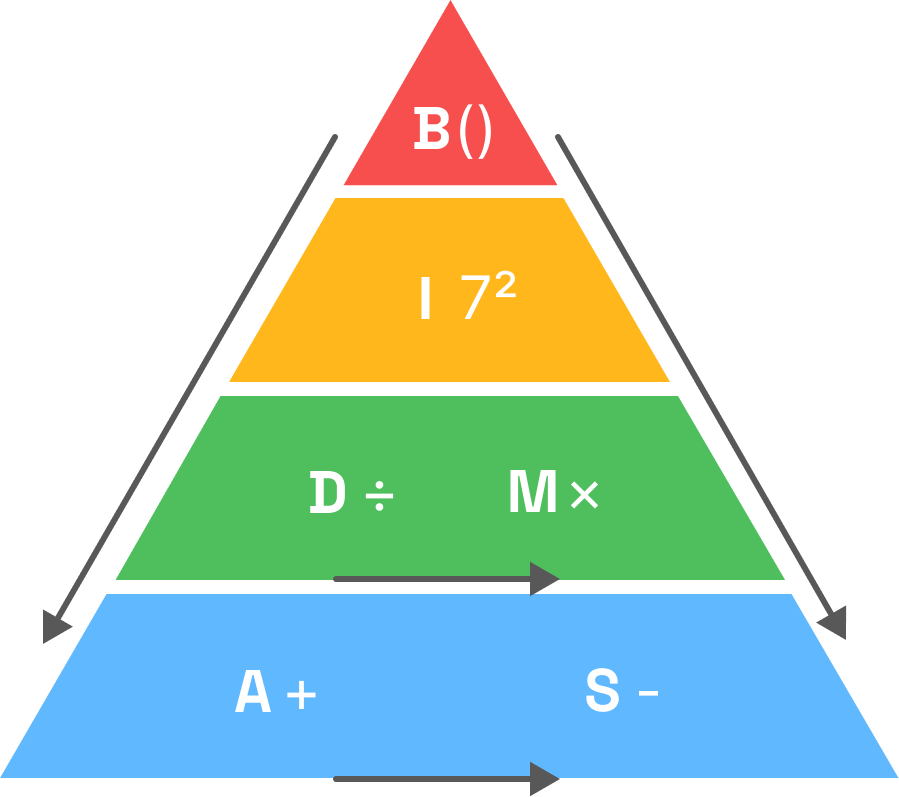
- Operations: addition, subtraction, multiplication, division, mental maths, estimating, multiples, factors, prime numbers and factor trees, square and cube numbers, order of operations, worded problems
- Fractions: equivalent fractions, mixed numbers and improper fractions, order and compare fractions, adding and subtracting fractions, multiplying and dividing fractions
- Decimals: converting decimals and fractions, multiplying and dividing decimals, recurring decimals, order and compare decimals, adding and subtracting decimals
Geometry
- Properties of shape: angles, polygons and circles, three-dimensional shapes, quadrilaterals, transformations
- Position and direction
Measurement
- Space: area, volume, units of volumes and areas, surface area, length and perimeter
Ratio and proportion
- Ratio: relative quantities, similar shapes and scale factors
- Proportion
- Percentages: order and compare percentages, percentage change, calculating percentages
Algebra
- Expressions: forming expressions, algebraic notation, brackets in algebra, algebraic fractions
- Equations: substitution, solving, rearranging equations, inequalities, two unknowns
- Sequences: simple sequences, complex sequences, the nth term
About half to three-quarters of maths that is taught in Key Stage 2 (primary school Years 3–6) is within the number area (place value, fractions, operations and decimals).
Overall, the two skills that parents should treat as the highest priority for maths 11 plus preparation are number fluency and numerical reasoning.
- Number fluency: practice mental calculations, order of operations, and understanding fractions, decimals and percentages
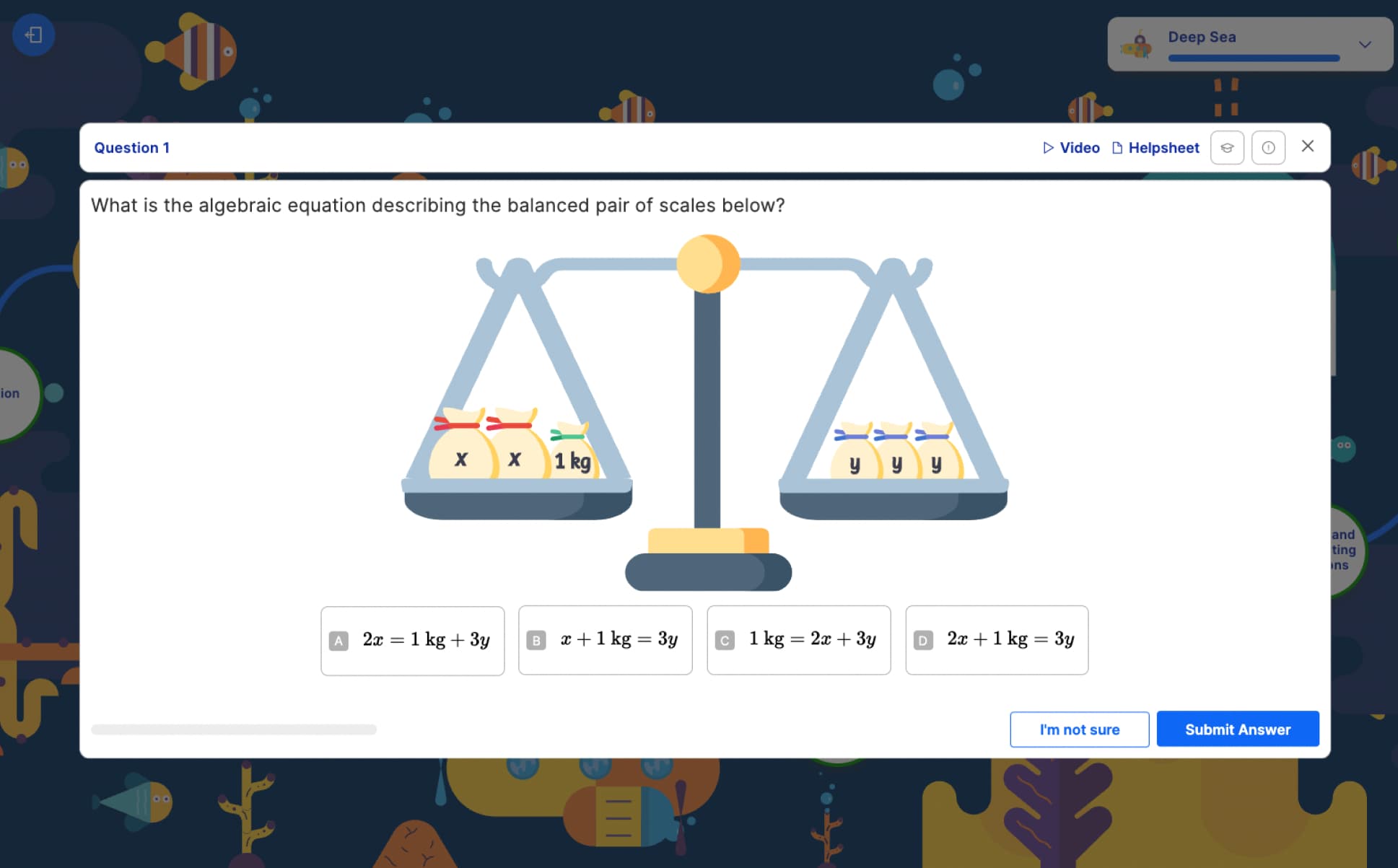
- Numerical reasoning: practice understanding what is being asked in a question: translating worded problems into maths sums, and interpreting data and graphs
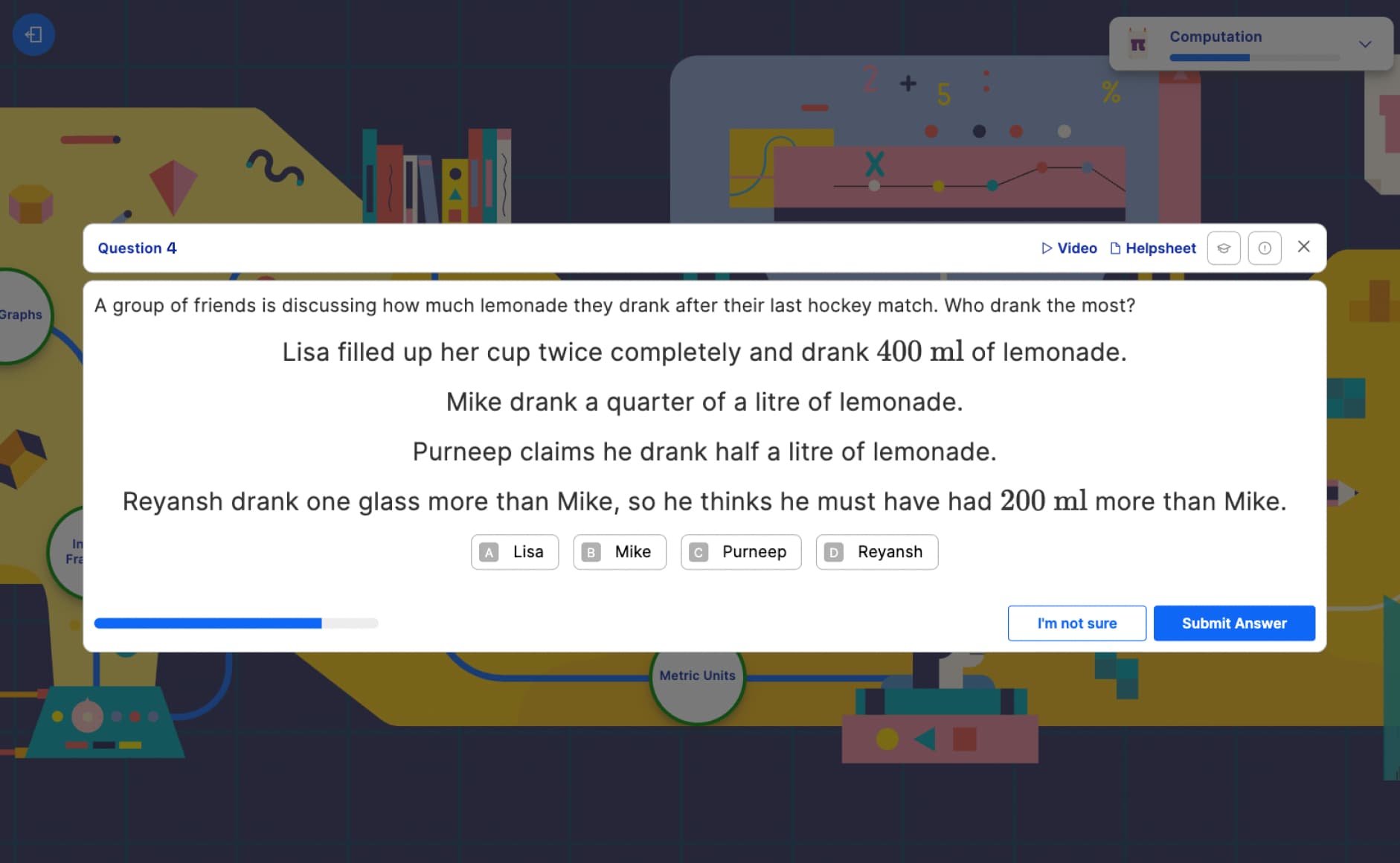
A maths worded problem on Atom Home