Most children will attend either a primary or preparatory school (prep school) for the first years of their formal education in England. There are currently just under 25,000 primary schools and over 500 prep schools in the country.
So what are the key differences between the two types of schools?
Cost of education
The main distinguishing factor between primary schools and prep schools is the cost of the education. Primaries are state schools – they rely on funding from the government – so they are free for all children to attend. Prep schools are independent schools (also known as private schools), which means they are not managed by the government and are sustained through family finances.
Prep schools charge fees to the child's family on a termly or annual basis. Fees for day pupils can range from £10,000 to £20,000 per year (or more for some London prep schools). Boarding schools charge more due to the additional costs of accommodation, food, laundry and welfare.
Pupil ages
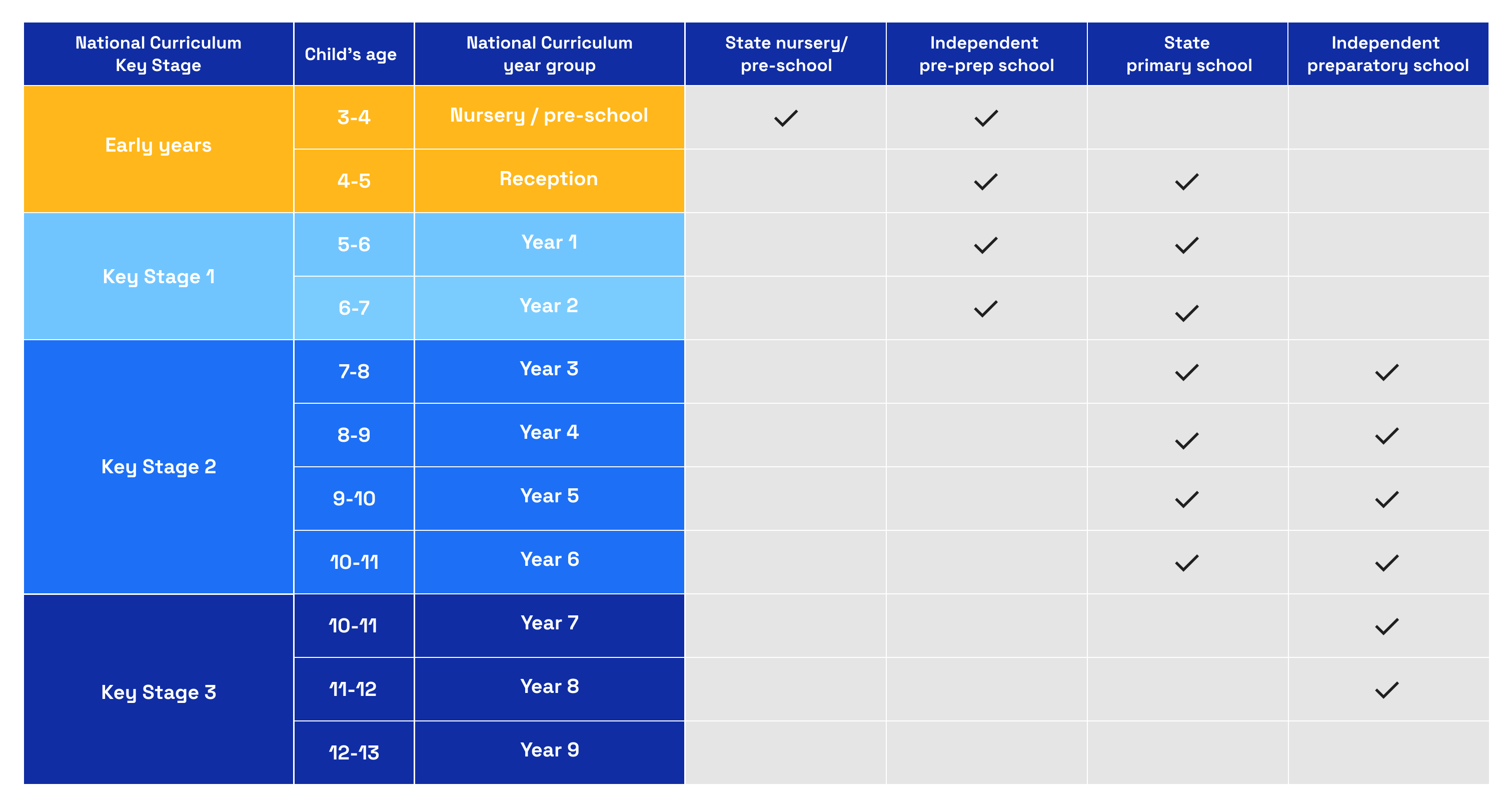
Primary schools educate children aged 4 to 11 (national curriculum key stages 1 and 2). Pupils will start their primary education in September after they have turned 4 and will leave primary school in July after they turn 11 (or just before, if the child is born in July or August). They then progress to either a state or independent secondary school.
On the other hand, most prep schools admit children from the ages of 7 to 13 (national curriculum key stages 2 and 3). Younger children may attend a pre-prep school before turning 7, after which they may transition into a prep school, or move to a primary school. Many prep schools have an on-site or close-by pre-prep which they are linked to, ensuring a guaranteed transition for the child.
The two main exit points in prep schools are at the end of Year 6 (ages 10–11) and the end of Year 8 (ages 12–13). Some pupils will stay for the final two years and transition into secondary school for Year 9. Many parents may choose to withdraw their child at the end of Year 6 so that they start secondary school in Year 7. This is a more common pathway for parents who have chosen state secondary education for their child, as most children start secondary school at the age of 11.
Teaching and learning
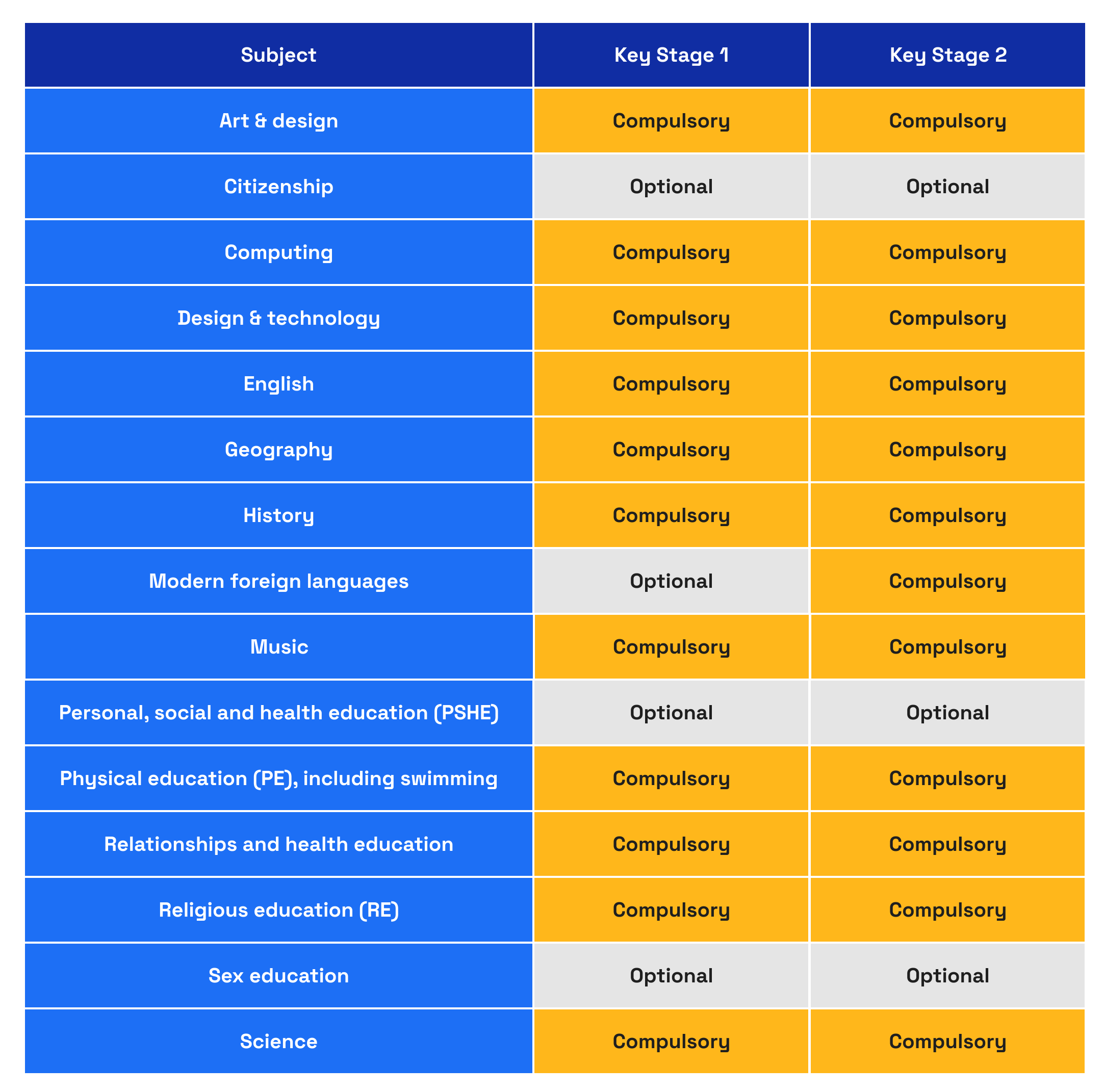
As state schools are funded by the government, primaries are obliged to follow the national curriculum set by the Department for Education. This is a broad curriculum, consisting of a set of compulsory subjects that all primary school pupils follow in addition to optional subjects (the school decides whether to teach these). The table below outlines the compulsory and optional subjects studied in state primary schools.
Some schools will refer to 'core subjects', which include English, maths and science. These are compulsory subjects for all pupils attending state schools between the ages of 4 and 16.
Help your child excel in English, maths and science with Atom
Independent schools (which includes prep schools) are not legally obliged to follow the national curriculum. Independent schools are routinely inspected and monitored by the Independent Schools Inspectorate (ISI) – the Ofsted equivalent in the private sector – to ensure that pupils' education levels are being met.
Although preparatory schools have a choice, many do still choose to teach the national curriculum or something similar. Some additional subjects taught at prep schools include classical civilisation, drama, Latin and philosophy.
For many parents, the difference between class sizes is a key factor when choosing their child's school. There is a range of benefits to smaller class sizes, including increased one-on-one attention from the teacher and less disruption from other pupils. There may be up to 32 children in a primary class, whereas prep schools normally cap their class sizes at around 24.