As your child progresses through Key Stage 2 and into Key Stage 3, they will begin to encounter long-form questions in written tests. Unlike multiple-choice questions, your child will need to write increasingly detailed and structured answers.
If you are looking to support your child’s test preparation, it may be tempting to jump straight into setting practice tests which require long-form answers. However, this is not typically the most effective way to prepare.
Consider the similarities between training for a marathon and preparing for an exam – you wouldn’t train for a marathon by repeatedly running 26.2 miles on a regular basis. Just as a successful marathon training plan is made up of short runs, speed sessions and long runs, effective exam preparation includes gradually building core knowledge, learning how to write concisely and eventually practising long-form questions through practice papers or mock tests.
Atom Home subscribers have access to a range of tools and resources which help them build the skills needed to tackle long-form written tests.
Building and encoding core knowledge
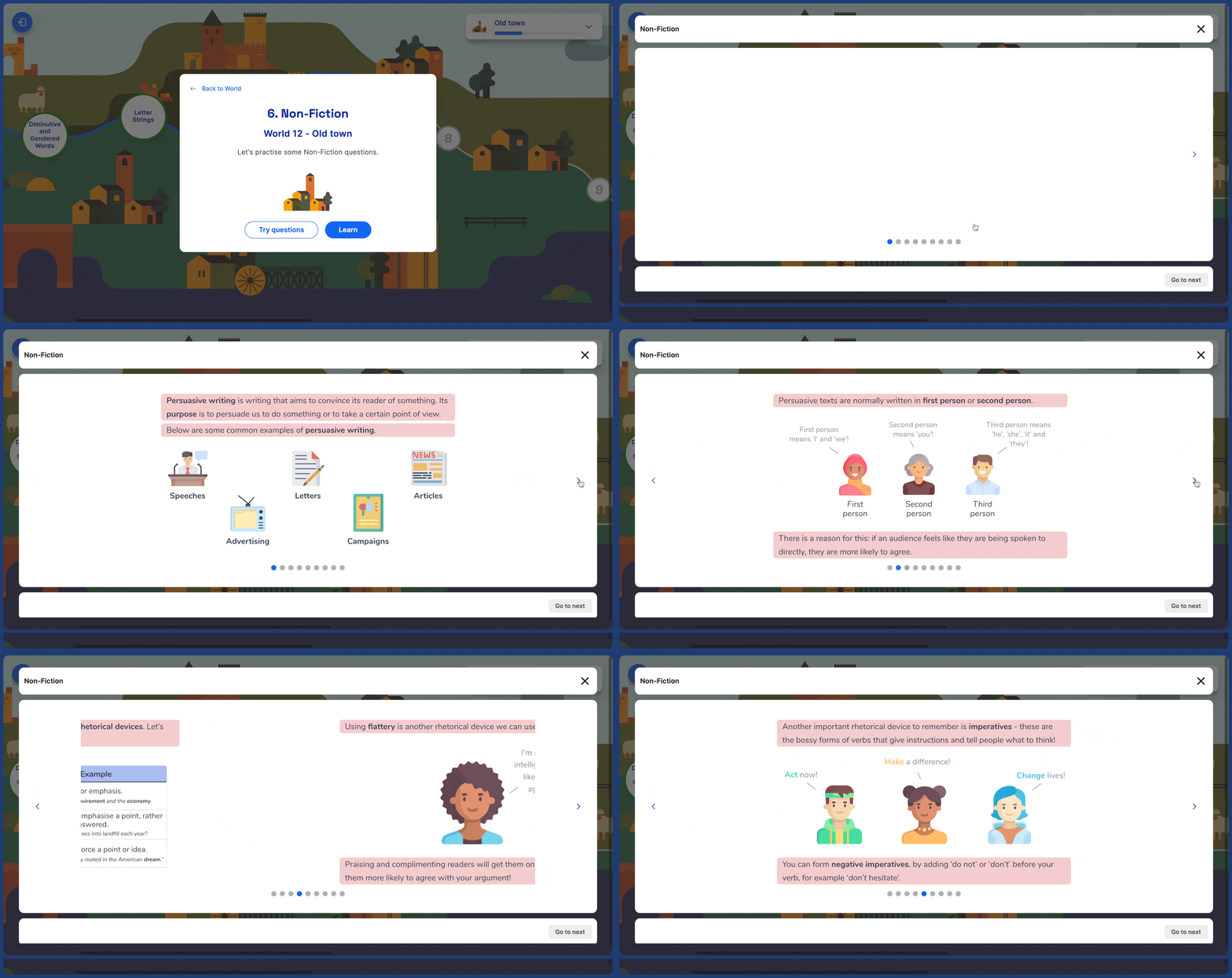
Educational research has identified that we learn best when information is presented in manageable chunks and when we can control the pace of our learning. As your child navigates the learning pathways on Atom Home, they will interact with bitesize, click-through explanations for every topic. This gives them the autonomy to build knowledge at the pace that’s right for them.
Atom Home also uses ‘dual coding’ – the idea that different types of stimuli can help students successfully encode information into long-term memory. Your child will engage multiple senses as they work through the content on Atom Home, including looking at diagrams, reading text, watching and listening to videos, and moving their mouse or trackpad. This results in a heightened focus on the task and ensures that information is successfully encoded for later retrieval.
Developing lower order thinking skills
Long-form questions seem to promote ‘higher order thinking’ – a concept that includes skills such as analysis, evaluation and creation. However, higher order thinking is made up of lower order facts and knowledge, which need to be fully understood by the student in order to provide a successful long-form answer.
The multiple-choice questions on Atom Home test your child’s lower order thinking skills, including remembering, understanding and applying. The content on Atom Home is adaptive, which means that the questions become more challenging as your child answers them correctly (and vice versa):
1. Remembering
Most questions begin by assessing your child on how well they can retrieve information, such as facts and knowledge, from memory.
2. Understanding
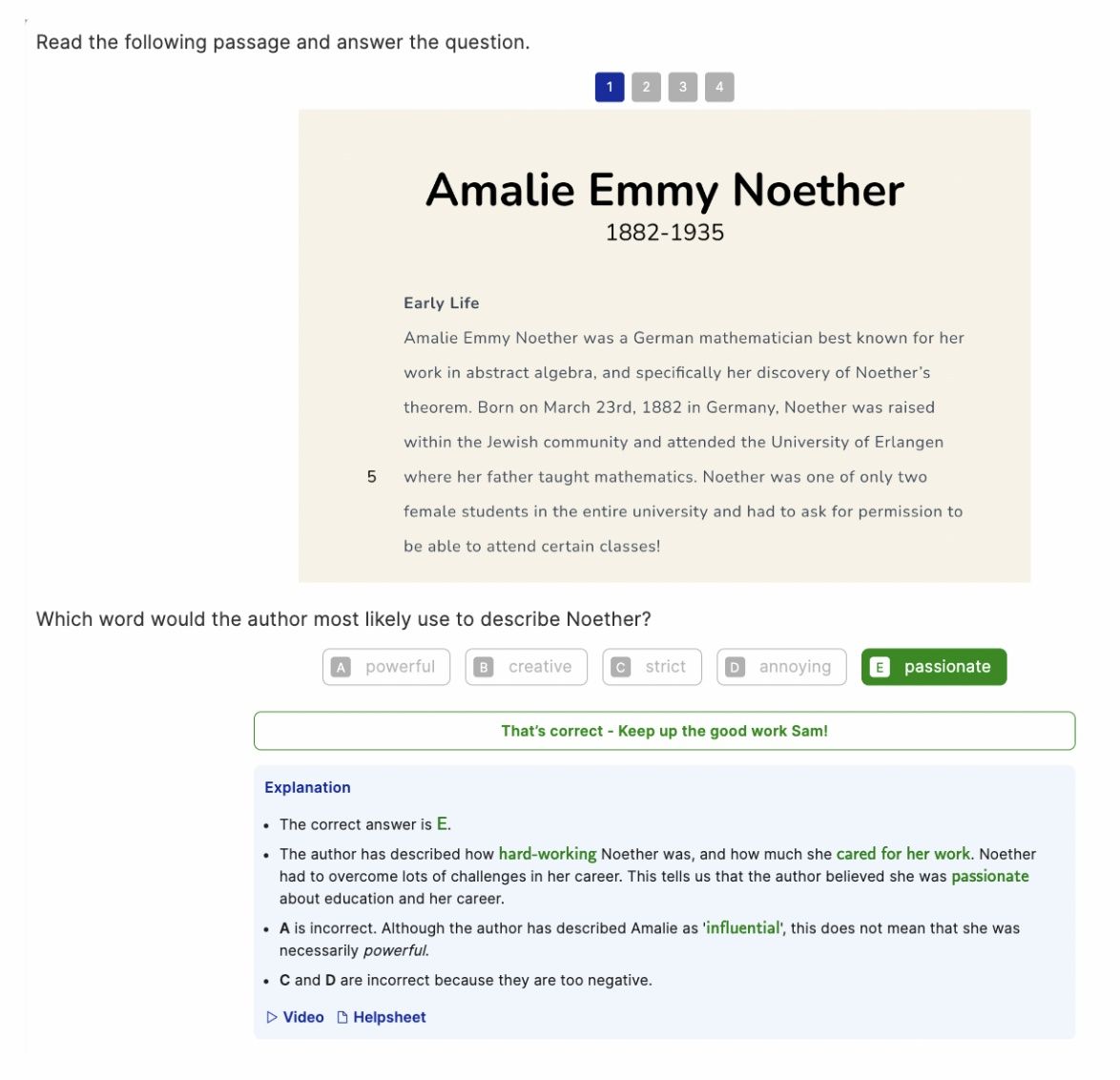
As they progress through the learning journey, they will need to demonstrate deeper understanding by constructing meaning and making inferences from materials such as comprehension texts, graphs and tables.
3. Applying
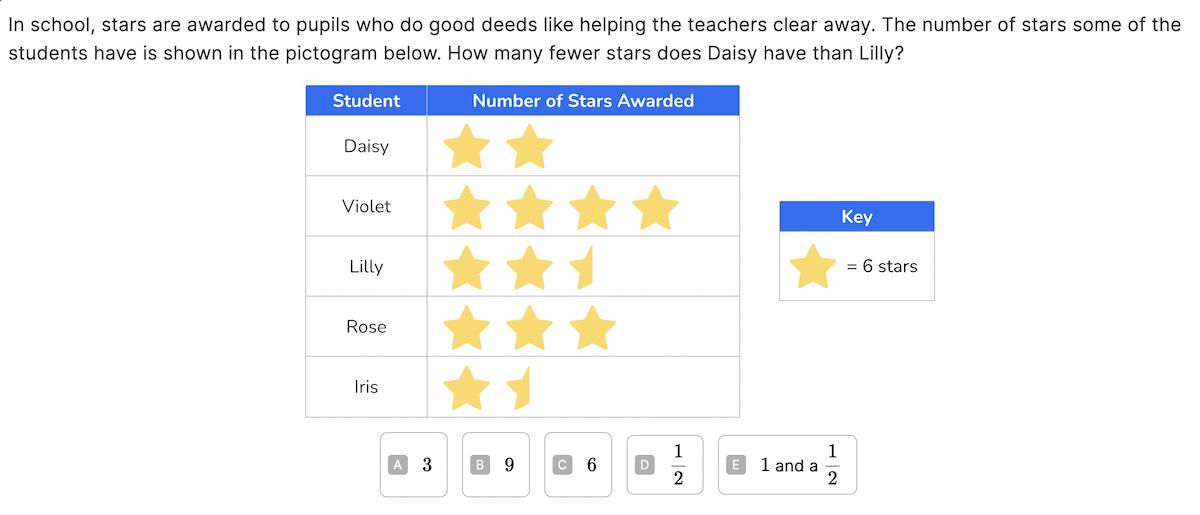
Your child will see a range of multiple-choice options which have been carefully-selected for purpose. These are excellent learning moments – your child will need to apply their critical thinking skills to work through the problem and discount incorrect answer options.
Learning how to structure answers
Well-structured answers will receive more marks in written tests, as they demonstrate the student’s ability to analyse and evaluate.
When your child answers questions on Atom Home, they will see a breakdown of the question, regardless of whether they have answered correctly or incorrectly. Every breakdown is structured in the PEE format, which is widely taught in Key Stage 2 and beyond:
- Point: the key fact or opinion in the answer.
- Evidence: points of reference to back up the point.
- Explanation: in-depth explanation of how the evidence backs up the point.
This approach to answering long-form questions is widely taught in Key Stage 2 and beyond. By implementing PEE in high-quality explanations on Atom Home, your child will naturally learn how to structure their own long-form answers similarly.
Questions to practise on Atom Home
English
Comprehension Atoms (subtopics) have great explanations which follow the established PEE structure. If your child is an Atom subscriber, the best Atoms to practise PEE are:
- Literal
- Deduction
- Inference
- Literary devices
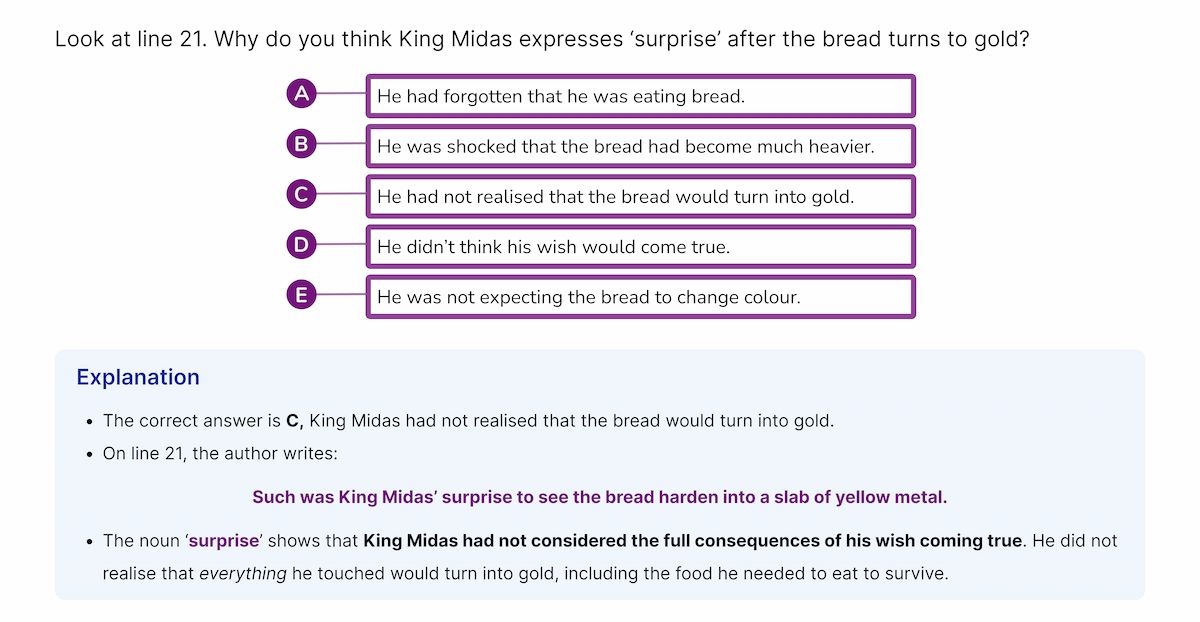
Example: an inference question breakdown, based on a passage about King Midas
Maths
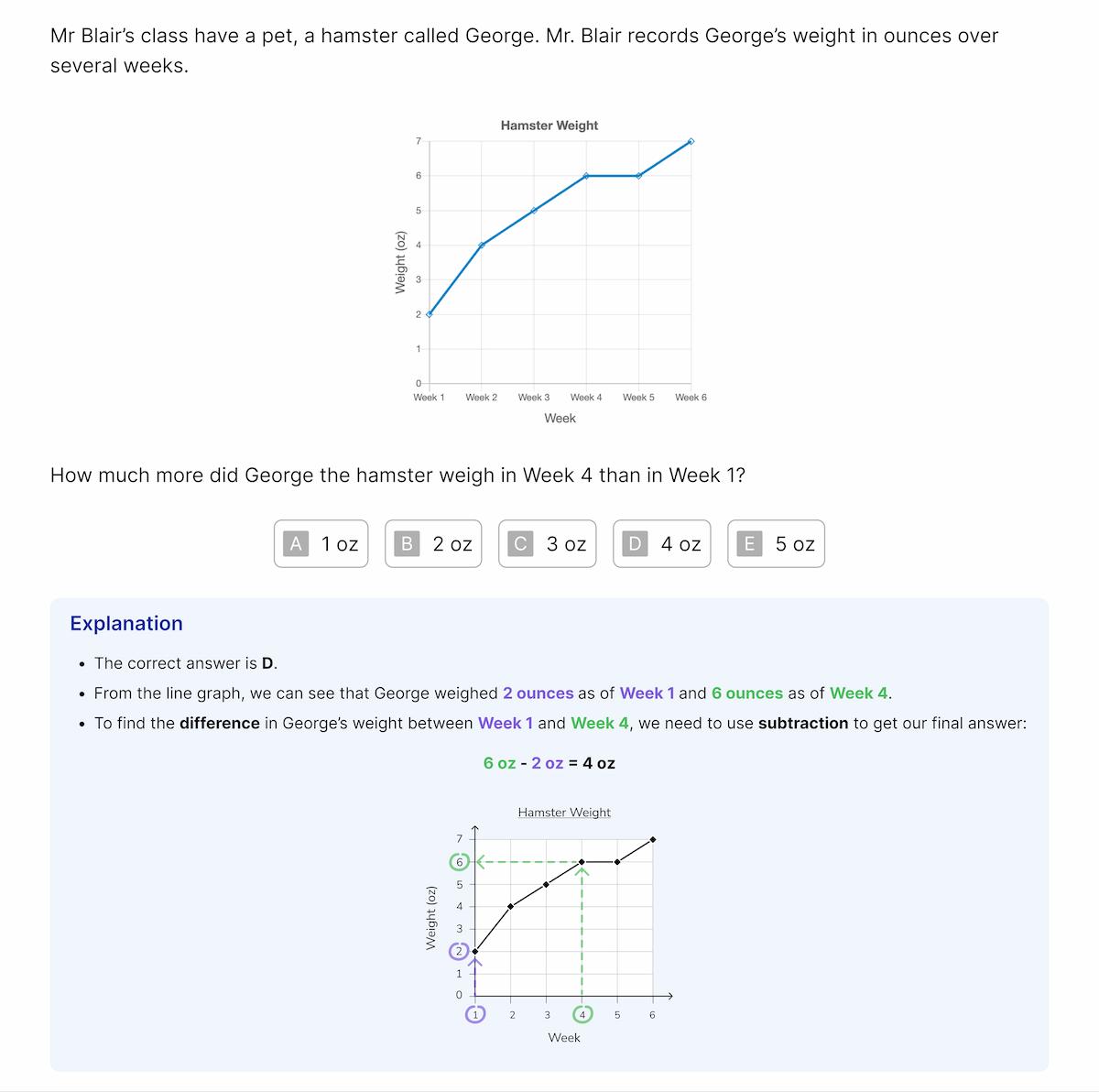
Higher order thinking requires students to apply mathematical knowledge to particular scenarios. This means that they are tested on mathematical reasoning, rather than arithmetic (adding, subtracting, etc).
If your child is an Atom subscriber, the best Atoms to practise mathematical reasoning are:
- Worded problems
- Geometry (any)
- Data (any)
Example: a data question breakdown on Atom Nucleus
Science
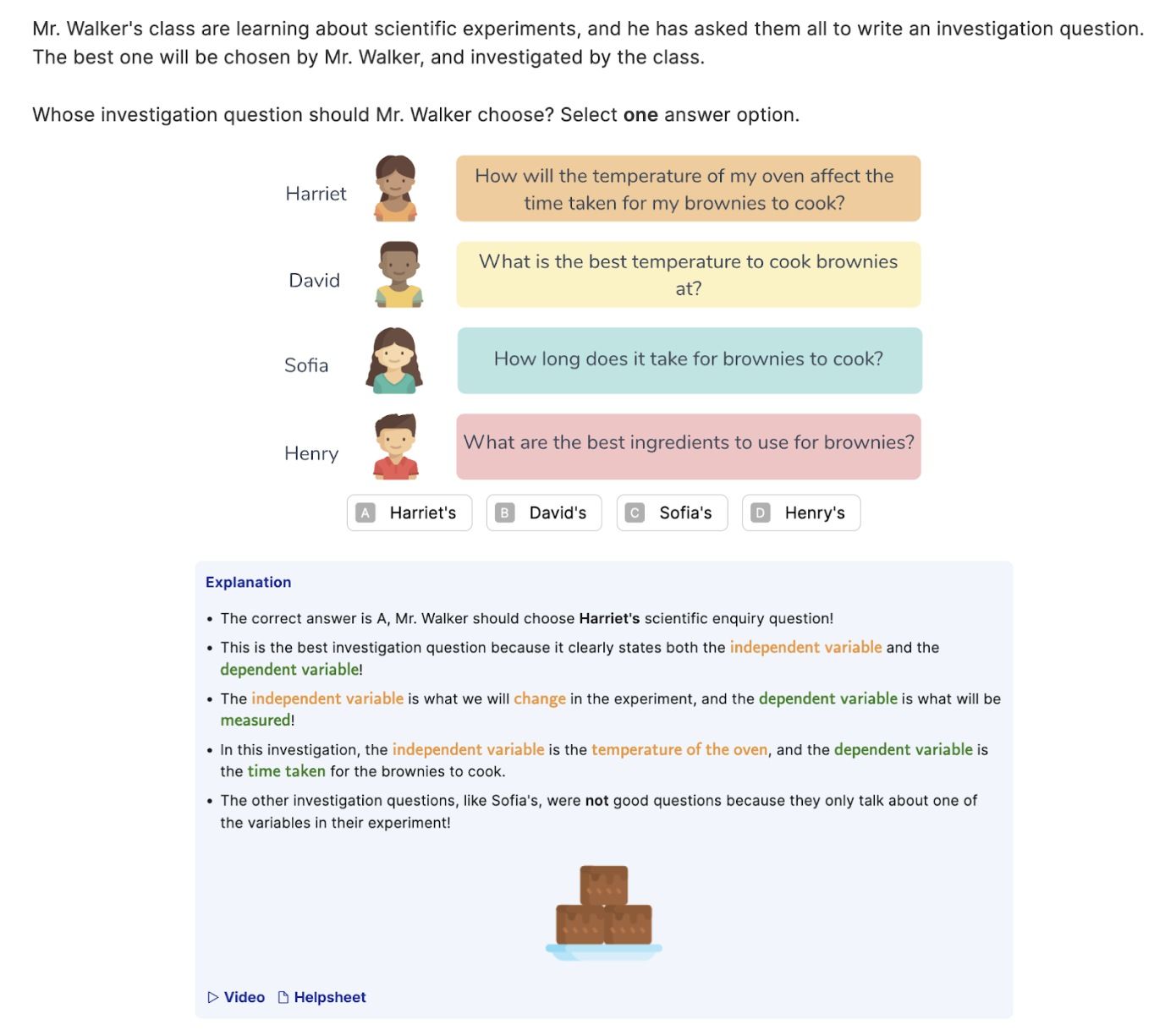
Long form questions in science tests might ask students to write an investigation question, or analyse the results from an experiment. Current subscribers will find the following Atoms helpful to practice for these types of questions:
- Variables, fair tests and questions
- Recording data
- Interpreting data
Example: a variables, fair tests and questions explanation on Atom Nucleus
What do higher order exam questions look like?
The following questions require pupils to demonstrate their higher order thinking skills through analysis and evaluation, or showing critical or creative thinking.
While these types of questions will become more common as your child progresses through Key Stage 3 and beyond, some selective schools may include these questions as part of the entrance testing process.
- Describe what happened in the story.
- What did you observe in the experiment?
- How would you solve this problem?
- What are the advantages and disadvantages of (X)?
- What do you think could have happened next?
- How would you have approached the situation differently?
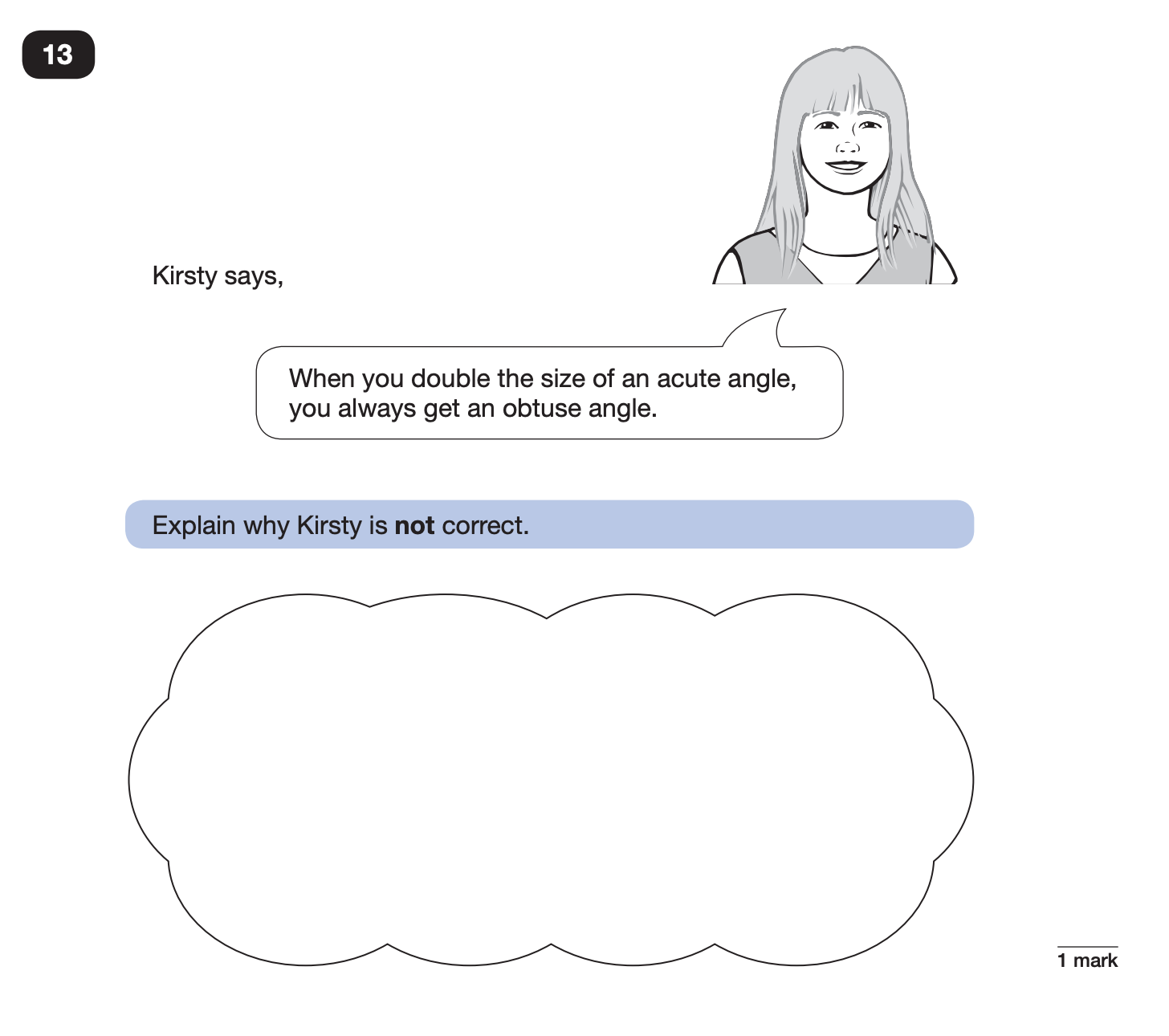
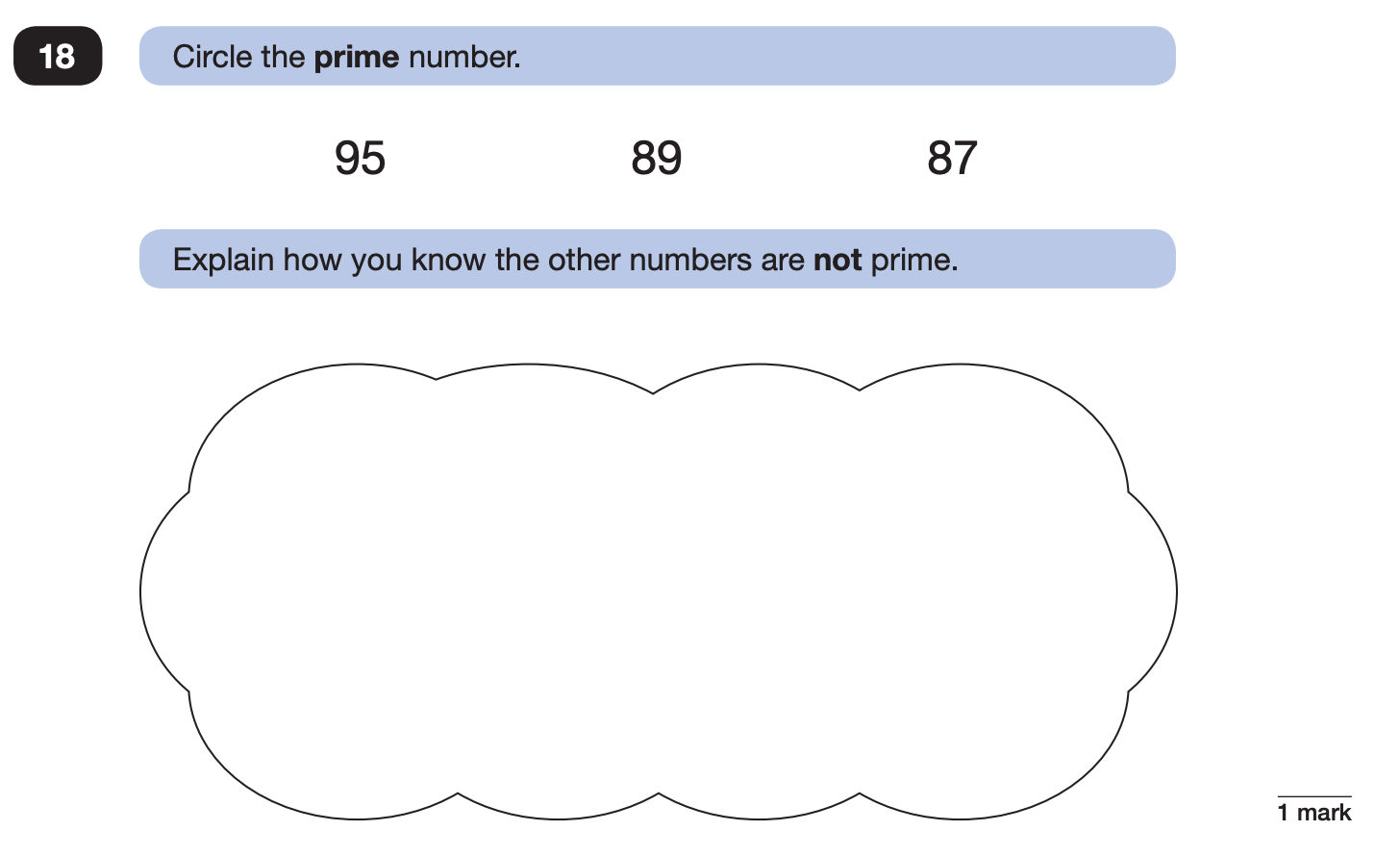
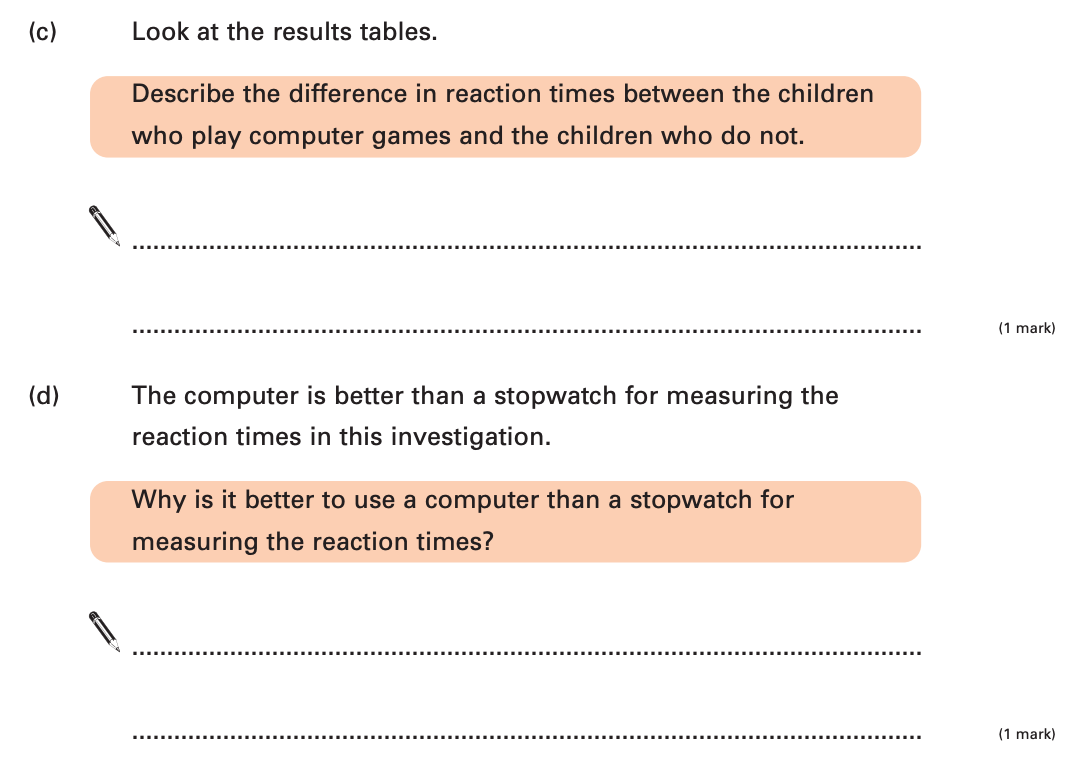
Take a look at the images below. These Year 6 questions in maths and science require pupils to use higher order thinking in their answers: