Looking for more information about 8 plus exams? In this article, we’ll help you learn:
- What 8+ exams are, and who sets them
- The subjects and skills tested on an 8+ exam
- Top tips for 8+ success
What are 8+ exams?
8+ exams (8 plus) are taken by children applying for a place in Year 4 at an independent prep school. The exam is normally taken midway through Year 3 (around January time), when children are aged 7 or 8, for entry the following September.
The exam is similar to 7+ exams (for entry to Year 3), but with increased difficulty to reflect the older age group.
Who sets 8+ exams?
Many independent prep schools set 8+ exams for children applying for an occasional place in Year 4 (e.g. when places become available). However, some prep schools have 8 plus as a main entry point which children can apply for.
Some of these schools include:
- Dulwich Prep
- Harrodian
- King’s College Junior School
- St Paul’s Juniors (previously known as ‘Colet Court’)
- Westminster Cathedral Choir School
- Westminster Under School
- Wetherby Prep School
What’s tested on the 8+ exam?
The 8+ exam varies from school to school. For specific details about your child’s exam, it’s always best to check with your target school.
The content of the 8 plus exam usually follows the national curriculum, including Key Stage 1 content and some topics from early Key Stage 2. Most schools assess English and maths, while some will include additional questions in reasoning.
English
Most 8 plus English exams include questions which assess:
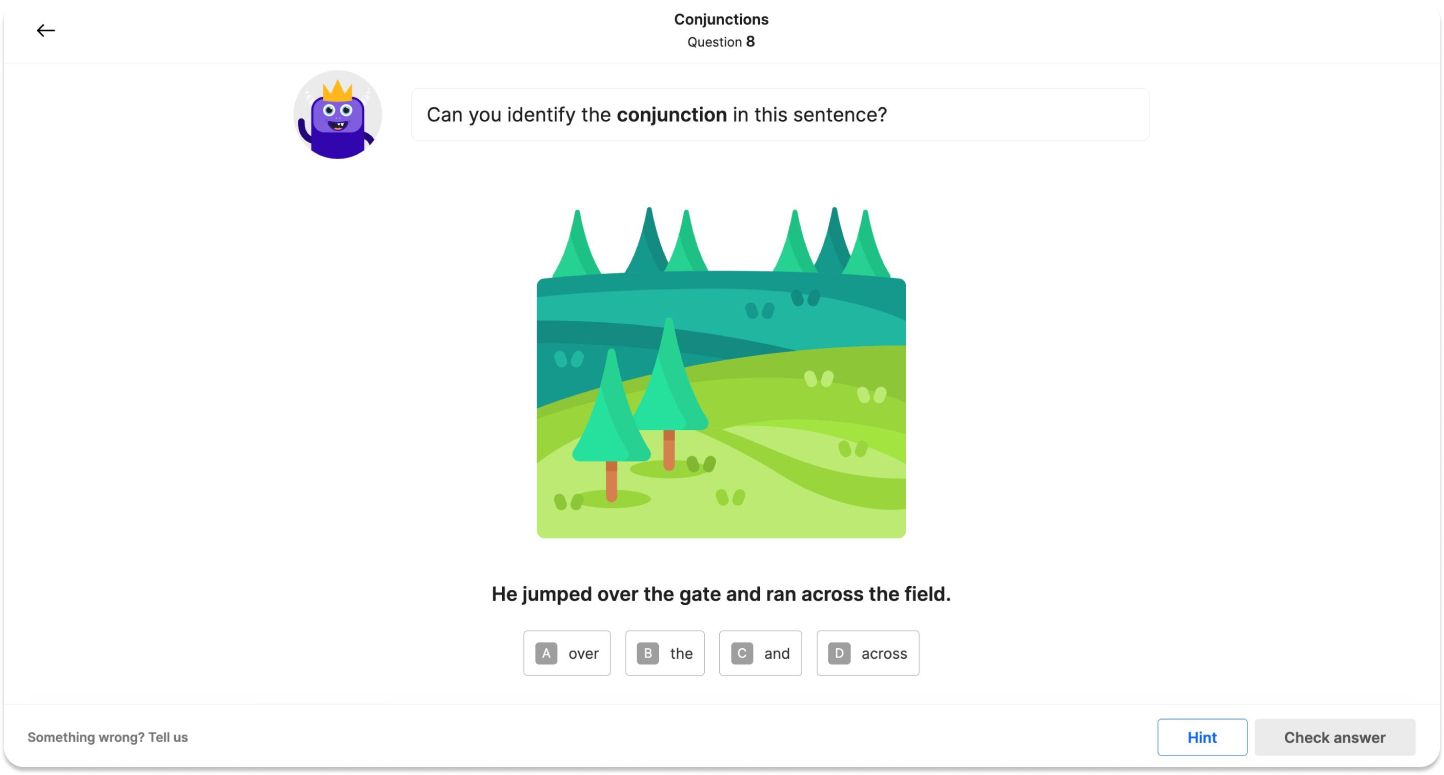
- Reading comprehension: skills include reading fluently and being able to deduce and infer information
- Creative writing: children should be able to write a piece of original writing with a clear beginning, middle and end
- Spelling, punctuation and grammar: children are expected to know their spelling list for Year 3 and 4, and be able to use accurate punctuation, clauses and paragraphs
Maths
Maths questions will be based on the full Year 3 syllabus. Some Key Stage 1 topics might be included for easier questions. The Year 3 maths curriculum covers:
- Number and place value
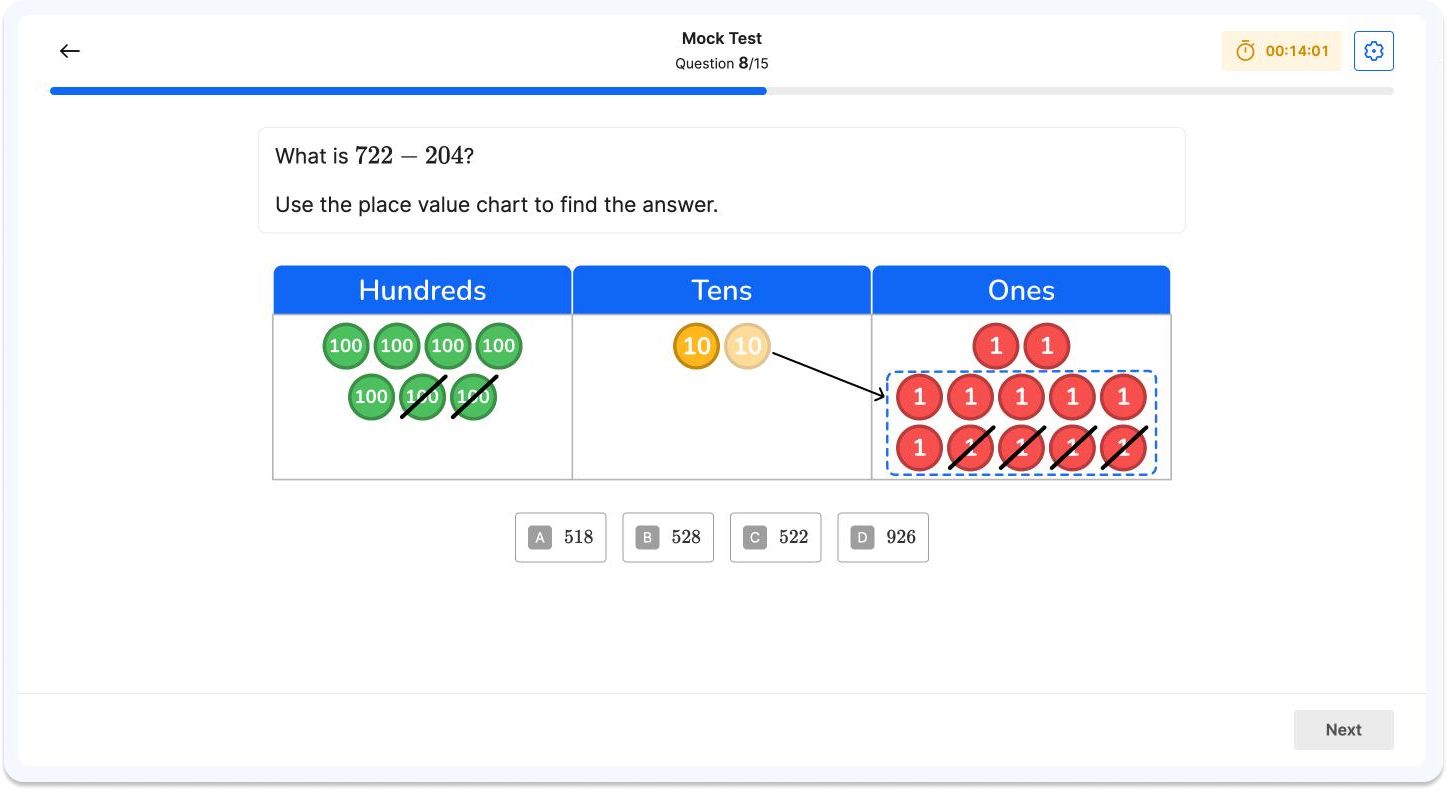
- Addition and subtraction
- Multiplication and division
- Fractions
- Measurement
- Geometry
- Statistics
Reasoning
Reasoning isn’t always tested on an 8+ exam, as it’s a more advanced skill that your child might not have covered at school. If your child’s 8 plus exam does incorporate reasoning, they might see both verbal reasoning and non-verbal reasoning questions:
- Verbal reasoning: this tests your child’s ability to reason and solve problems with written information. This could include letters, words, symbols, and numbers.
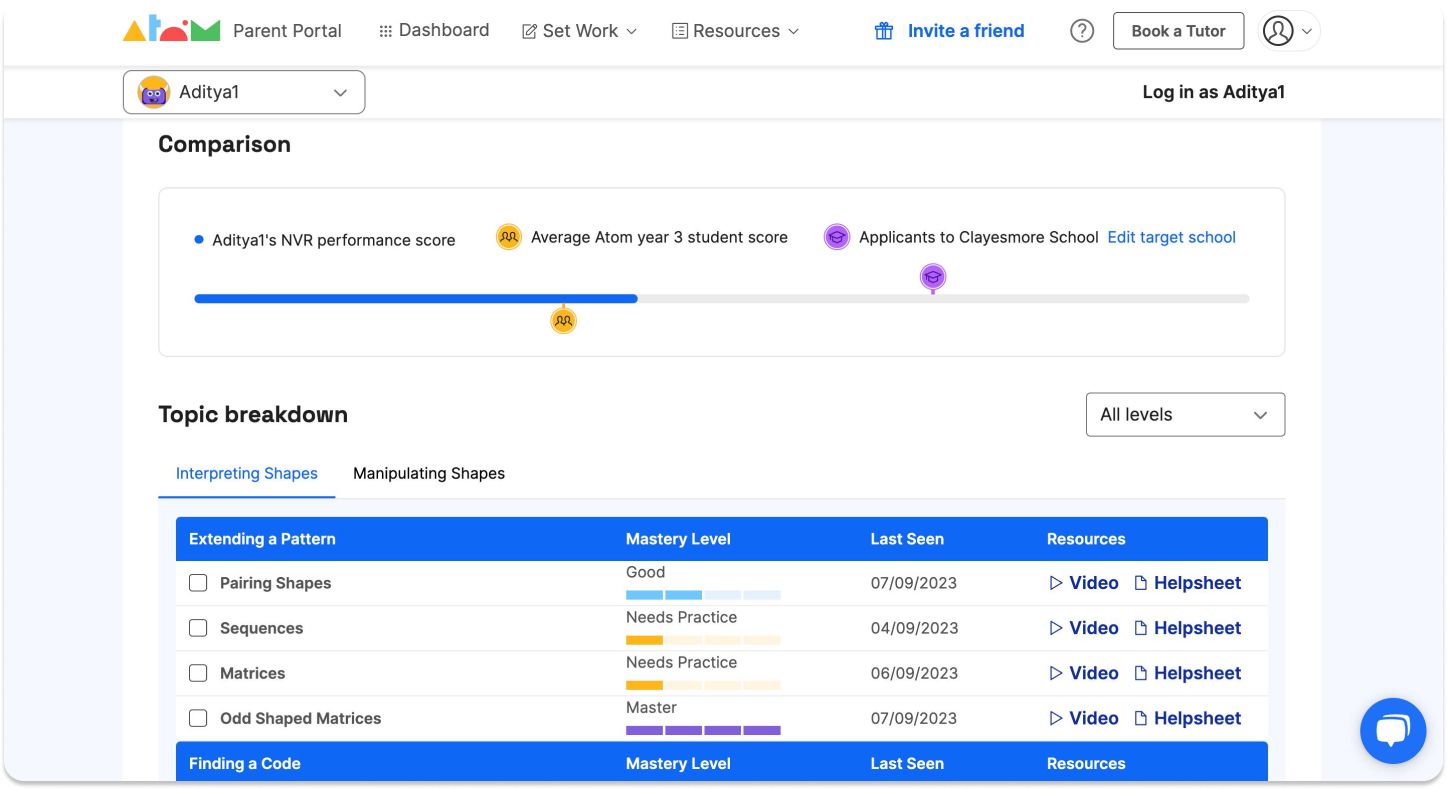
- Non-verbal reasoning: your child will be assessed on their ability to solve problems using visual information. This includes shapes, diagrams, and pictures.

What happens after the 8+ exam?
Your child’s test papers will be marked and may be ranked in order with other candidates. Prep schools usually take lots of factors into consideration when offering places, so there might be other tasks or activities to complete. This could include:
- An interview: usually a one-on-one informal chat with a member of staff. Your child might be asked questions about their interests and hobbies, both inside and outside of school.
- A group task: this is more common if your child is applying for 8+ as a main entry point. The school might set candidates a group activity – usually classroom-based – to see how well each child works with others.
Most schools also request a copy of your child’s latest school report, and/or a reference from their current headteacher.
Top tips for 8+ success
The content tested on the 8 plus exam varies from school to school, so it’s important to know exactly what your child will be tested on beforehand. To find out more details, check your target school’s admissions page, or contact [email protected]. Atom’s customer support team is on hand to help you understand what your child needs to revise ahead of exam day.