Are you considering a UK grammar school education for your child? We've collated everything you need to know, including:
- The origins of grammar schools
- The pros and cons of a grammar education
- How to apply to a grammar school
What is a grammar school?
A grammar school is a secondary school in the UK that admits pupils based on their academic ability. All children applying for a place at a grammar school will need to sit an entrance exam in Year 6. The children with the highest scores are then eligible for a place in Year 7.
Historically, the purpose of grammar schools was to teach Latin. In the late Victorian era, the curriculum at grammar schools became more varied.
In 1944, the Education Act created the Tripartite System – a system of state-funded secondary education in England and Wales. The three types of schools in this system were:
- Grammar schools. These schools admitted the top 25% of students and provided an academic curriculum. The assumption was that most of these students would go on to university. Most grammar schools were boys-only or girls-only.
- Secondary modern schools. These were non-selective schools for children who would go into trade jobs from the age of 16.
- Technical schools: very few of these were actually established.
In the 1960s, this system changed and comprehensive schools were introduced to reduce class inequality. Now, children from any school are encouraged to apply to higher education, regardless of their school type.
Most grammar schools are still single-sex. However, many are turning co-educational (teaching boys and girls together).
Are grammar schools free?
Yes. Unlike fee-paying private (independent) schools, you do not need to pay fees for a grammar school. Grammar schools are funded by the state (government). They are the only state-funded secondary schools in England that can select pupils based on academic ability.
A few grammar schools have boarding facilities, which need to be paid for. However, these fees are significantly less than the fees charged by independent boarding schools.
How can my child get a place at a grammar school?
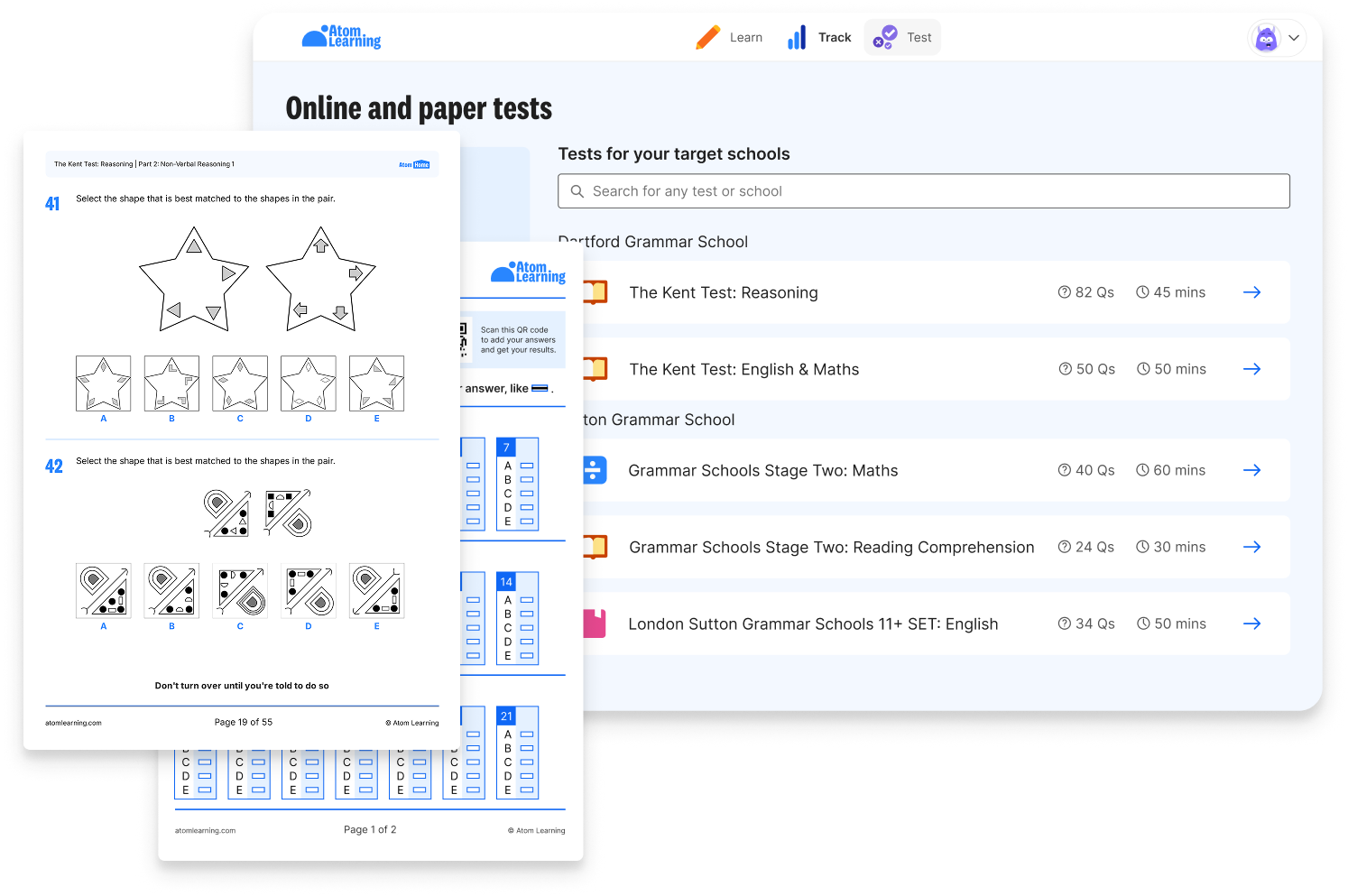
Grammar schools are academically-selective. This means that your child will need to pass an entrance exam to be eligible for a place. This exam is commonly known as the 11 plus (11+) as children are aged 11 when they start grammar school.
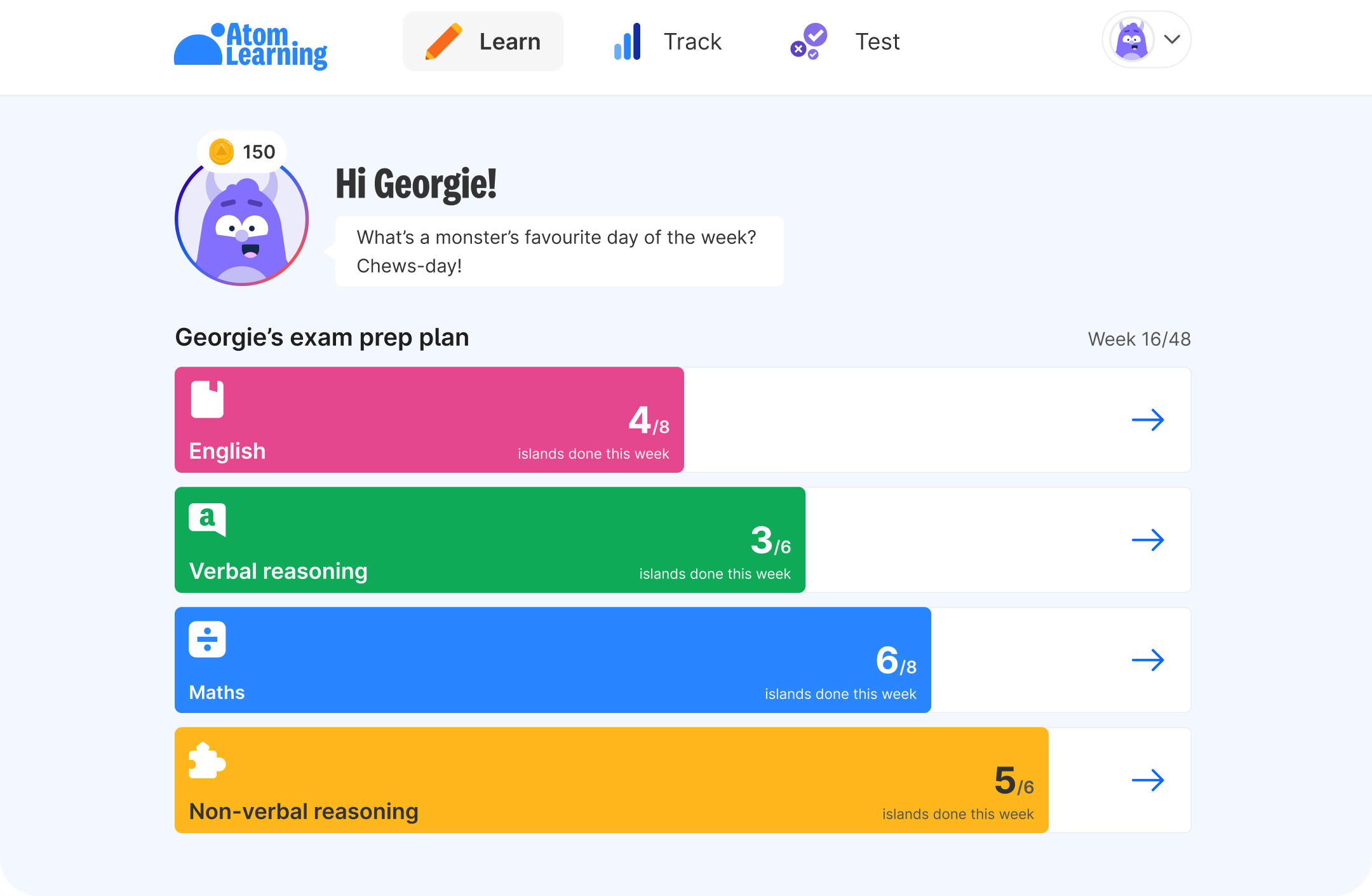
Children take the 11 plus in September in Year 6 (the final year of primary school). The subjects tested depends on the school or the exam board delivering the test. 11 plus exams assess children on some, or all, of these subjects:
- English: this include sections on reading comprehension, creative writing, or a mix of both. Children are often assessed on their spelling, punctuation, grammar and vocabulary.
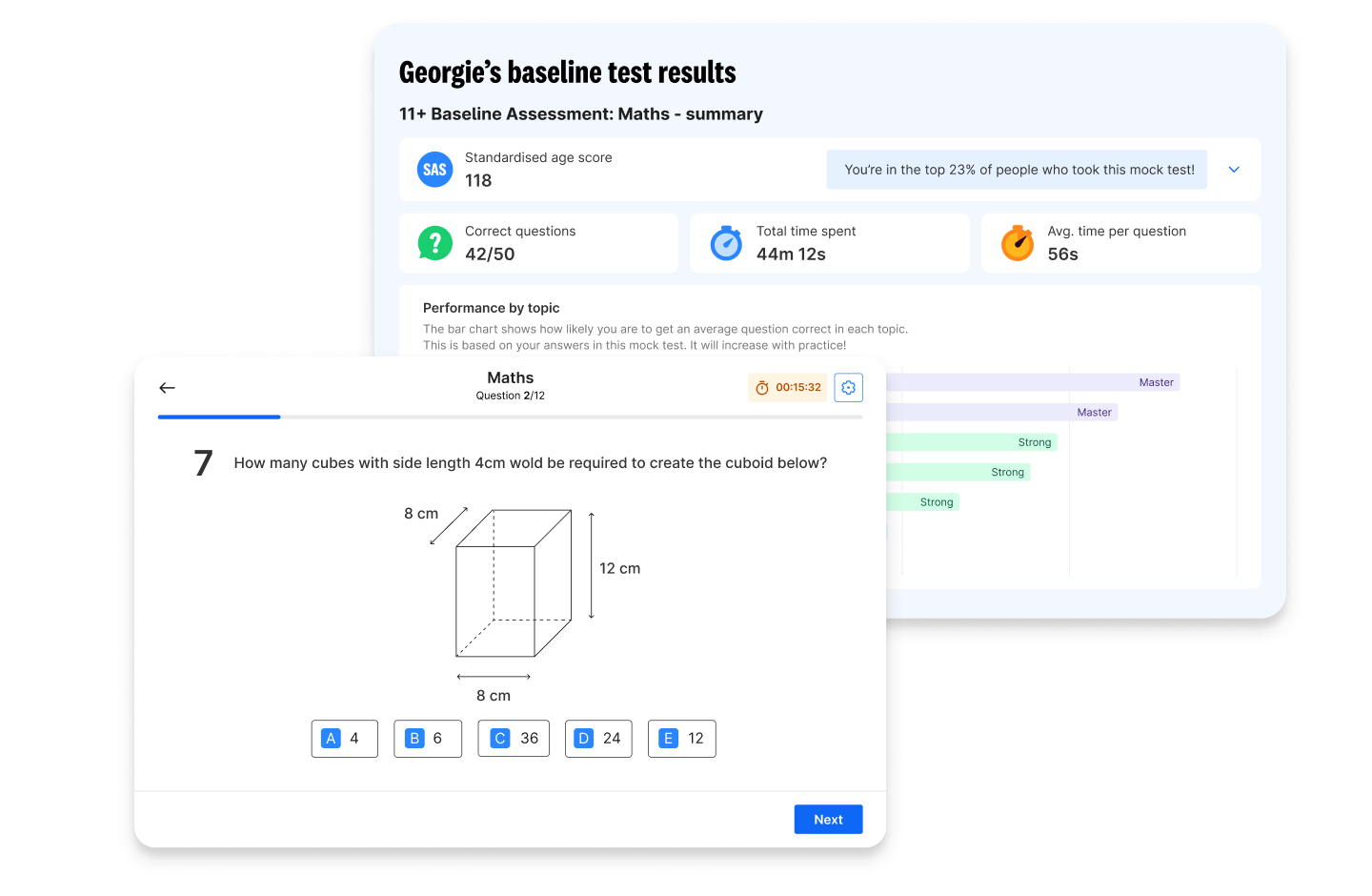
- Maths: all 11 plus exams test children on the Key Stage 2 maths curriculum.
- Verbal reasoning: 11 plus verbal reasoning tests your child’s ability to reason and solve problems with written information.
- Non-verbal reasoning: non-verbal reasoning involves analysing visual information and solving problems using shapes, diagrams and pictures.
Most grammar schools use 11 plus tests designed by GL Assessment, although some create their own bespoke exams.