Exam technique 2: read the questions carefully
It's very easy to rush in a time-pressured environment. If your child is nervous about completing the test in time, they may be tempted to 'skim read' the questions.
Firstly, your child should listen to the instructions given by the invigilator at the start of the exam, and read any instructions that are printed on the front of their question booklet (or on-screen, if taking the test online). They will be told whether to write all of their answers within the question booklet or if they will need to use a separate sheet to write their answers. Some exam boards, such as GL Assessment, provide children with a multiple choice answer sheet for 11 plus exams.
Read our article, How to fill in 11+ answer sheets correctly: a step-by-step guide for parents.
Secondly, encourage your child to read every question carefully as they work through the test. Skim reading questions can result in misinterpretation and the loss of marks for silly mistakes. For example, if there are multiple choice questions that require the candidate to select two options, but your child only chooses a single answer, they might not get any marks for the question – even if they were technically correct.
Top tip for kids: read every question twice and underline the key words in the instructions before you start on your answer. Pay extra attention to any instructions in capital letters!
Exam technique 3: keep an eye on the time
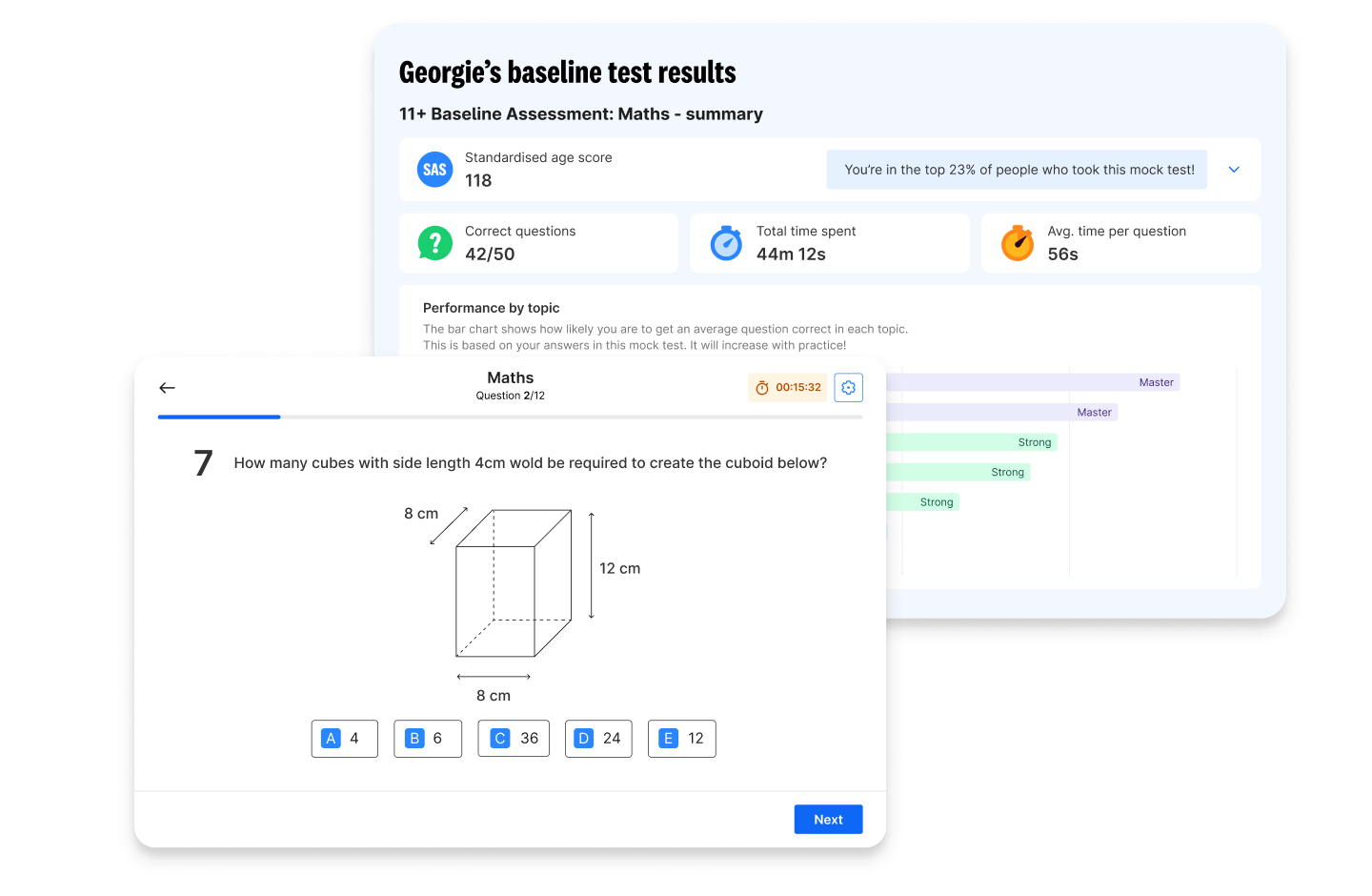
Time management is an essential exam technique for success in all exams – including the 11 plus. While some exams (especially those administered by GL Assessment and CEM) consist of individually timed sections, others may require children to complete a whole paper within 45 minutes to one hour.
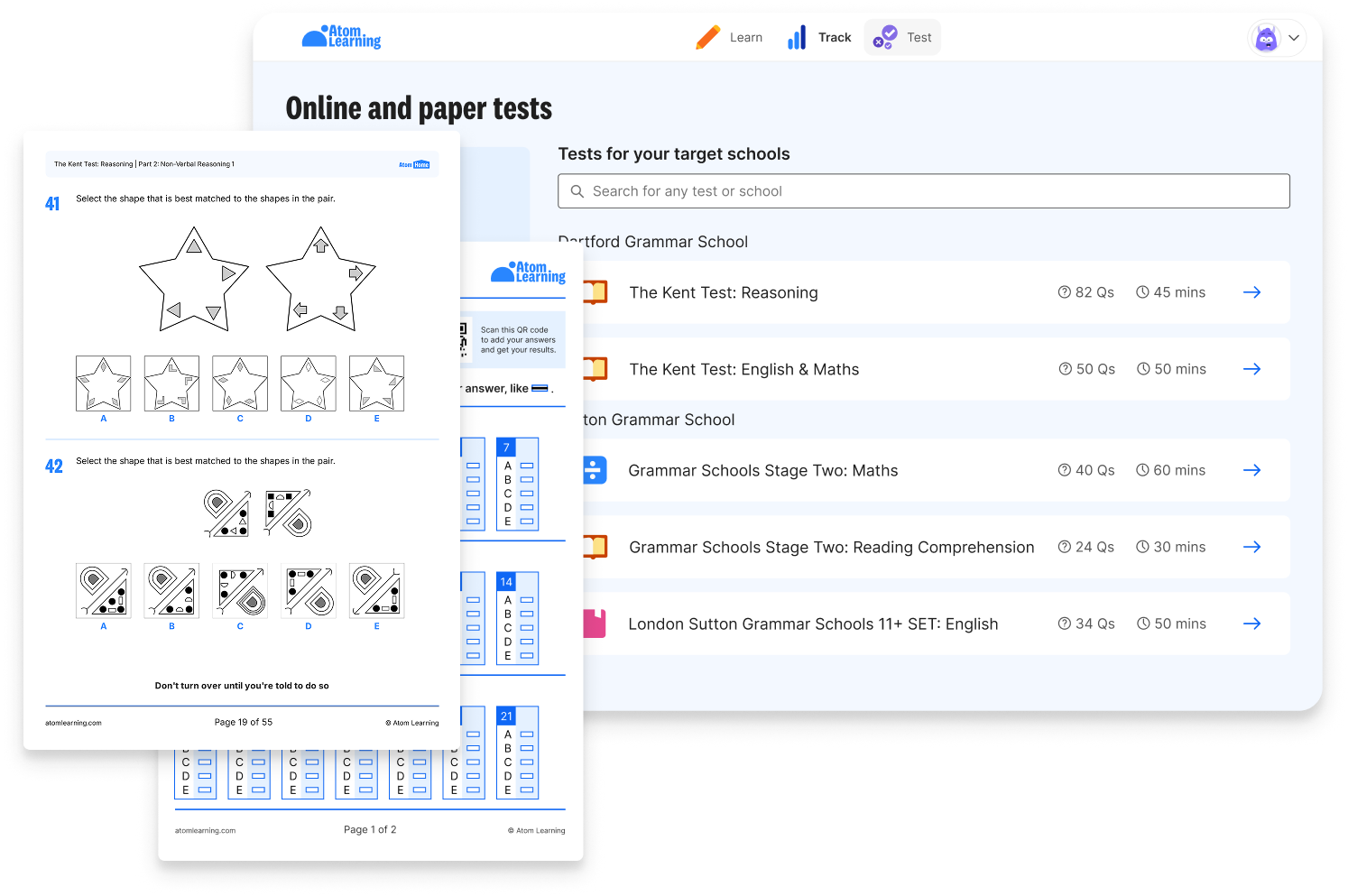
Make sure your child knows the specific timing available for each paper in advance of the exam (you'll likely be supplied with this information by the school), and encourage them to check the clock frequently as they work through the test. Past papers are a great way to practice time management, as they give children an idea of how long they should be spending on each question.
Top tip for kids: the exam invigilator will let you know when the test will end – listen to this carefully. Once you're halfway through the time allowed, check to see how many questions you have left to complete. This should help you work out if you need to work more quickly, or if you have time to slow down!
Exam technique 4: if in doubt, make a guess
The 11 plus is, by design, a challenging exam. It’s normally used by schools to identify children who are working within the top 25% of their cohort (or the top 10% for some particularly competitive schools). This means that no matter where your child's strengths lie, there will still be questions that they struggle to answer.
It's important that your child doesn't waste time on questions too early in the exam. Working quickly yet accurately is key to success – so spending ages trying to work out answers can really hamper their progress. Encourage your child to get into the habit of moving on to the next question if they’re struggling.
Meanwhile, if the questions are in multiple-choice format, there's no harm in your child choosing any of the options available if they really don't know the correct answer. Any answer is better than none, as they'll still be in with a chance of getting it right and making up marks.
Top tip for kids: don't spend too long struggling on very tricky questions – make a mark next to the question to remind yourself and move on to the next one. If you have time left at the end of the test, you can have another go at the questions you left out. Wrong answers are better than no answers!
Exam technique 5: maintain your focus
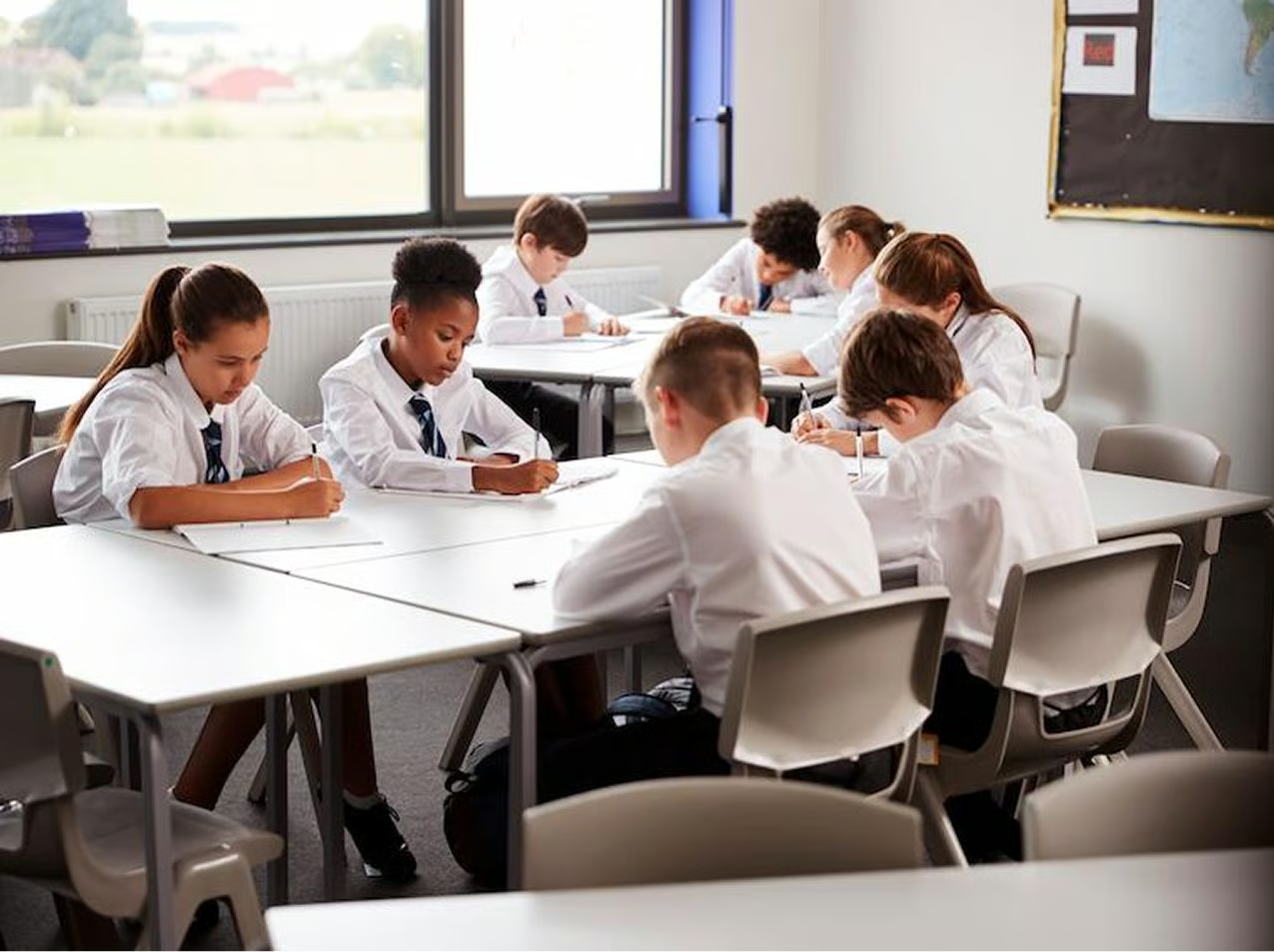
Unless your child has specific special educational needs that have been disclosed to their target school in advance, it's highly likely that they will be taking the 11 plus exam in a room with lots of other candidates. Some children find this experience distracting, but learning how to focus in an exam room is a key skill that children will gradually develop throughout their secondary education.
It's important to remind your child to keep their eyes on their own question paper on the big day. Wanting to see what everybody else is doing is natural, but your child will need to fight this temptation. Candidates who repeatedly look as though they are trying to see what other children are writing may face penalties from invigilators.
Top tip for kids: try to shut out everybody else in the room and keep your head down as much as possible. The only things you should be focusing on are the clock and your own exam paper!